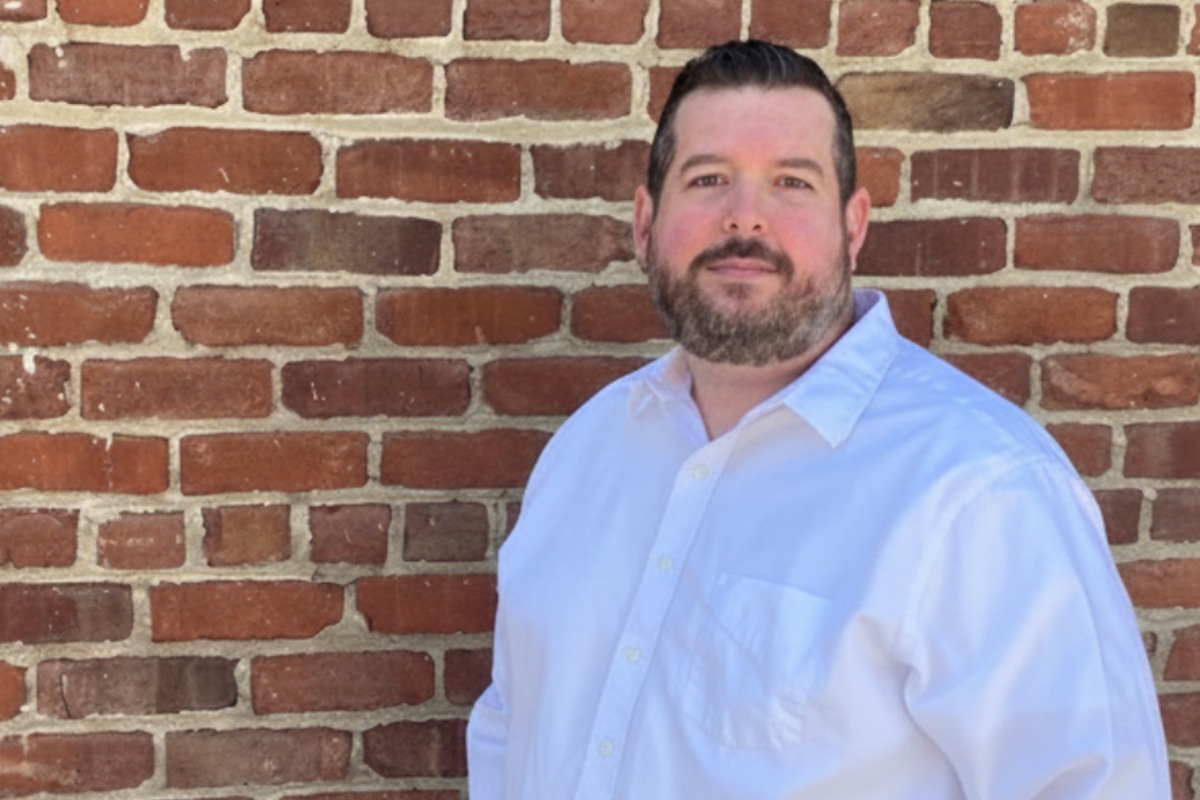
Justin Noland, VP of Digital Experience at Treasury Wine Estates, discusses how wineries can leverage AI, data-driven strategies, and authentic storytelling to remain competitive. He emphasizes digital discoverability, building cohesive ecosystems over isolated projects, and preparing for AI-powered consumer journeys while maintaining the irreplaceable value of personal wine experiences.
Treasury Wine Estates (TWE) is one of the world’s leading wine companies, recognized for its diverse portfolio of premium and luxury wines and for its global presence across more than 100 countries. Headquartered in Australia, listed on the Australian Securities Exchange, TWE has built its reputation on the art of winemaking, brand excellence, and a strong commitment to premiumization and luxury – elevating the global perception and value of wine.
Within this framework, Justin Noland, Vice President of Digital Experience, plays a key role in shaping TWE’s digital strategy. He oversees global initiatives in direct-to-consumer marketing, e-commerce, and digital innovation, with a focus on creating seamless, data-driven, and emotionally engaging experiences that bring consumers closer to the company’s wines.
In this interview, we explore the evolution of the digital wine experience — from e-commerce and omnichannel strategies to brand storytelling, personalization, and the use of new technologies such as artificial intelligence to enhance customer engagement and loyalty.
What are the elements, in an advanced market, that differentiate a winery that manages to stand out online from one that remains invisible, even if it produces excellent wines?
That’s the fundamental challenge: having a fantastic product is an important place to start, but in a crowded market where quality is subjective, it doesn’t guarantee an audience. The primary differentiator for wineries in the digital age is a deliberate strategy for digital discoverability.
This means engineering your content to be found and understood not just by people, but by search engines and, increasingly, by AI.
For example, when a potential customer asks, “What’s a good, sustainable Cabernet under $50?”, the wineries that get recommended are the ones that have provided that specific information clearly and consistently.
Ultimately, online search is the starting point for the modern consumer journey. If you are invisible during that initial search, you’ve lost the opportunity before it even begins.
Many wineries struggle to build or maintain continuity in their digital projects. What are the most common mistakes you have seen from those who try to establish an online presence without a long-term strategy?
One of the most common mistakes I see in our industry is approaching digital with a short-term, project-based mindset instead of as a long-term, integrated strategy.
First, it leads to unrealistic goals—the ‘Field of Dreams’ fallacy that if you build a beautiful website, customers will automatically come. But launching a site doesn’t guarantee traffic any more than printing a brochure guarantees a sale.
Second, this mindset focuses on the wrong measurements. Success isn’t just about ad impressions or follower counts; true performance is measured by KPIs that track meaningful engagement, lead generation, and conversion.
A successful digital presence must be holistic. You have to consider all the different ways a consumer interacts with your brand. When these elements are disconnected, the customer experience is fragmented. The goal isn’t just to launch projects, but to build a cohesive digital ecosystem.
Digital has also changed the very concept of “wine experience”: no longer limited to tastings or winery visits, but extended to online interactions, memberships, and personalized storytelling. What is the most effective digital experience you have created for the American consumer? And in Europe?
The definition of a “wine experience” has expanded dramatically, and our goal is to meet consumers wherever they are. One of the most powerful digital experiences Treasury Wine Estates created is the augmented reality (AR) on our 19 Crimes labels, transforming a static bottle into an interactive stage.
We later evolved this from a dedicated app to web-based AR—removing the barrier of a download and making the experience instantly accessible to anyone with a smartphone, which significantly increased engagement.
While a single activation like AR is effective, our most important work has been building a foundational digital ecosystem for our brands on a few key pillars:
- Authentic Storytelling: content that shares the history, people, and values behind the wine.
- Smart Segmentation: delivering relevant content and offers to different consumer groups.
- Personalized Journeys: using technology to guide consumers through tailored online experiences.
Ultimately, this creates an environment where consumers can learn, explore, and engage with our brands on their own terms, extending the “winery experience” far beyond the tasting room.
DTC is not only a sales channel, but also a laboratory for customer knowledge. What is the most important lesson you have learned from directly observing consumer behavior in the digital space?
The most important lesson we’ve learned is how to balance the deep insights from our DTC audience with the needs of the broader market. On one hand, the DTC channel is a goldmine of first-party data on preferences and behavior. But more than that is the direct relationship—you can simply ask your most loyal audience what they prefer, what they want more of, what made them smile, or what irritated them. That feedback is invaluable.
However, the critical part of the lesson is not to assume this group represents all wine consumers. DTC customers tend to be more engaged and deeply interested in brand details. The key question is, “Does this resonate with the person buying wine at a retail store?”
So, we treat our DTC findings as powerful, directional insights from our most passionate fans. They help us form hypotheses we can then adapt thoughtfully across all sales channels.
There is much talk today about community: newsletters, digital clubs, closed groups. In your experience, how can an online community be built around a wine brand without slipping into overt or pushy marketing?
That’s the right question to ask because “community” is often misunderstood. Brands think of their social feeds as a community, but that’s usually one-way communication—the brand talking about itself. While that has value, it isn’t really a community.
Building a true community requires a shift in mindset: from broadcasting to facilitating. The goal is to create a space where people who love your brand can have their own voice and connect with each other. Your brand isn’t the hero of the story; the community members are.
A great model is to act more like a moderator on Reddit than a traditional marketer. You can kick off a conversation—“What’s the most surprising food pairing you’ve discovered?”—and then step back to let members drive the discussion. The brand’s role is to provide the platform and gently guide it, not dominate it.
These authentic, user-led conversations also create high-quality content—the kind AI uses to answer generative search queries. This builds a more genuine and authoritative brand presence. When you foster connection, the marketing becomes a natural byproduct, not a sales pitch.
Artificial intelligence is reshaping the way companies operate. Expanding at an extraordinary pace and encompassing increasingly broad aspects of business decision-making, it also adds complexity to the entrepreneurial system. Do you think the wine sector is ready for this epochal shift, or do resistance and hesitation still prevail?
That is the defining question for our industry’s future. The wine sector, like most industries, isn’t fully ready for this shift—but it’s happening regardless. This is the biggest technological leap since the smartphone, perhaps even the internet itself.
AI is fundamentally rewiring the path to purchase. Today, consumers follow a fragmented journey—finding a recipe, separately considering a wine, recalling a brand, then deciding what to buy. Soon, with agentic AI, that same consumer will simply say, “Plan a nice dinner and include a great red wine my in-laws will love,” compressing the entire process into a single moment, with AI as the gatekeeper.
The critical question: How do we become the wine AI recommends? The answer is by building a digital ecosystem so authoritative, comprehensive, and authentic that machines see us as the most trusted source—clear sustainability practices, customer reviews, and brand stories, all presented reliably.
Wine will always be rooted in authentic, personal experiences. AI won’t change the magic of the tasting room, but it is changing the path that leads people there. Our job is to embrace it so we can invite the next generation of consumers to have those timeless experiences with us.
What are the latest frontiers of artificial intelligence in digital interaction? And how might they impact corporate decision-making systems?
First is the hyper-creation and globalization of content. Generative AI enables us to create articles, images, and videos at scale, then instantly translate and adapt them for global audiences. A story we craft in California can be shared authentically in Tokyo or Berlin, removing language barriers to brand connection.
Second is the shift from passive to interactive experiences. Digital content is no longer a monologue but a dialogue—consumers can ask an AI-powered brand ambassador about a vintage or get pairing recommendations in real-time, creating deeper and more memorable engagement.
This evolution has a paradoxical effect: as AI condenses the consumer journey and becomes the key recommender, real-world experiences gain even greater importance. Authentic tasting room visits, unique events, and retail partnerships are what build true brand affinity and the positive stories AI ultimately learns from. In a world of streamlined efficiency, a memorable personal touch is the ultimate differentiator.
Could you share a concrete example of a successful application of AI to business strategy?
Absolutely. AI isn’t just an online tool; its real value is in how it impacts the entire business, from vineyard to consumer. Our approach is holistic, focused on broad enablement.
- Sustainability in the Vineyard: We use sensor data and predictive models to apply treatments precisely and monitor water use, ensuring responsible stewardship of the land.
- Worker Safety and Upskilling: AI-powered and remote-operated technologies reduce risks in vineyards and production facilities. This isn’t about replacing people, but evolving roles and giving employees opportunities to upskill.
- Creativity in Digital and Marketing: AI automates repetitive, data-heavy tasks, freeing our teams to focus on strategic planning, creative thinking, and big ideas.
For us, a successful AI strategy is a holistic integration that makes us more sustainable, keeps teams safer, and empowers greater creativity.
What is your group currently doing on this front? How much of your digital strategy is centralized at the group level, and how much is left to the individual brands?
That’s the core strategic question we’re navigating. Our approach is about balancing centralized enablement with brand-level authenticity.
At the group level, we provide the ‘toolbox and playbook’—centralizing the core technology stack, implementing the best platforms for e-commerce, digital marketing, and AI, and building secure, efficient foundations. We also set overarching frameworks and deliver training to build technical skills.
But the voice and story always belong to the individual brands. They know their consumers best, so creative execution, storytelling, and community engagement remain entirely in their hands.
Ultimately, our philosophy is enablement, not enforcement. The group empowers brand teams with the right technology and knowledge so they can focus on building deep and genuine consumer connections.
Finally, if you were to advise a small Italian winery with a limited budget, what would be the first concrete step to take in digital in order to achieve tangible results without wasting resources? And what about in terms of artificial intelligence?
My advice to a small Italian winery is to start with the right mindset: be curious and unafraid to learn. The digital world, especially with AI, has never been more accessible for a small producer with a great story.
Claim and fully complete your free Google Business Profile. Fill it with photos, details about experiences, and your unique story. Encourage reviews and respond to them. This simple, free action makes you discoverable to travelers and locals and serves as a reference point for Google’s AI Overviews.
With AI, don’t be intimidated, instead treat it as a creative partner. Use generative tools to help you write wine descriptions in multiple languages, brainstorm social posts, and draft engaging newsletters. AI can dramatically reduce the cost and effort of content production, giving small wineries the reach and polish of much larger businesses.
Key points
- Digital discoverability is essential: Quality wines remain invisible without strategic SEO and AI-optimized content that answers consumer search queries.
- Build ecosystems, not just websites: Successful digital presence requires integrated, long-term strategies across all consumer touchpoints, not isolated projects.
- AI reshapes the purchase path: Agentic AI will compress consumer journeys, making authoritative digital presence critical for brand recommendations.
- Authentic community beats broadcasting: True engagement comes from facilitating consumer conversations, not one-way brand messaging to followers.
- Start simple with free tools: Small wineries should begin with Google Business Profile and use AI for multilingual content creation.