Kiersten Hickman, a Le Cordon Bleu-trained sommelier working in Manhattan, opens up about the impostor syndrome that shadows even experienced wine professionals. Despite rigorous training, the pressure to know everything generates constant self-doubt. Her story exposes a broader truth: wine elitism intimidates insiders as much as consumers, while also highlighting how doubt can fuel meaningful professional growth.
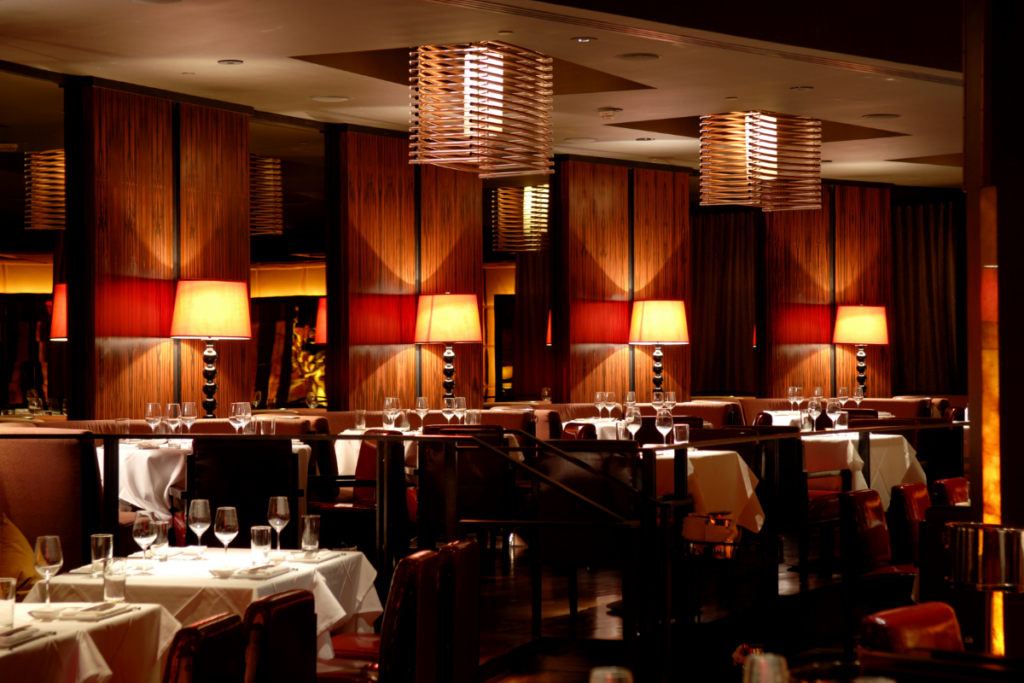
Kiersten Hickman, in a recent article published by Cellar Notes – The grubby truth of working as a sommelier – describes how, after earning her sommelier diploma at Le Cordon Bleu, she decided to make a decisive change in her career and life by becoming a full-time sommelier at a major Manhattan restaurant.
This choice, Hickman writes, “is (kindly) kicking [her] ass” (no translation needed). Exhausting shifts, physical challenges, and the transition from a sedentary lifestyle to a job that keeps her on her feet for hours every day. Yet the element she identifies as the primary source of unease is, in reality, how theoretical preparation must constantly clash with an extremely demanding daily reality.
Hickman’s account dwells on a paradox common to many industry professionals: impostor syndrome. Despite an excellent education, the fear of being unable to articulate precisely why the 2019 vintage of Brunello is considered iconic generates a profound sense of inadequacy. She describes feeling constant pressure toward omniscience, as though a professional’s worth depended entirely on the ability to “produce knowledge” on demand.
For this reason, the golden pin on her jacket – the certification of her professional role – takes on symbolic value, serving as a reminder of the training that the fear of answering every guest’s question or curiosity constantly risks overshadowing.
This drive toward absolute perfection raises a question about why the wine sector is perceived as so intimidating, even by those who work within it. Much is said and written about how consumers find wine elitist, but reading Hickman’s words, it becomes clear that industry professionals are spared no more than anyone else.
In other fields, even enthusiastic amateurs often feel confident in their abilities. So why does a trained sommelier in the wine world have to fight daily to regain self-confidence?
That said, impostor syndrome carries a potentially positive dimension: it can become an engine for growth. Hickman admits she still finds joy in opening textbooks and wants to deepen her education through specialist programmes such as those offered by the Wine Scholar Guild. Doubt becomes a stimulus to keep going. Awareness of one’s own limits acts as a catalyst for continuous study, transforming uncertainty into a desire for discovery that enriches the sommelier’s cultural foundation.
The fact remains that, while the energy of constant improvement makes life more sparkling, the process should probably begin with the humanisation of the sommelier as a figure. Let go of the idea that consumers are simply waiting for the sommelier to make a misstep. Equally, reject the image of the sommelier as a stern judge who mocks inexperienced guests.
The sommelier is a professional who tends to the guest’s experience. Hickman’s most rewarding shifts are, in fact, those in which she manages to create new regulars, surprise guests on an anniversary, or guide them toward their new favourite style. The success of service is measured in the ability to read the desires of those seated at the table and create moments of genuine joy through the story of a bottle.
Key points
- Even trained sommeliers experience impostor syndrome, feeling pressure to be all-knowing about wine.
- The wine industry’s elitist reputation affects professionals and consumers alike, not just beginners.
- Doubt and self-awareness can act as powerful catalysts for continuous learning and improvement.
- The sommelier’s true role is curating guest experiences, not performing encyclopaedic knowledge.
- Humanising the sommelier is key to reducing intimidation on both sides of the table.