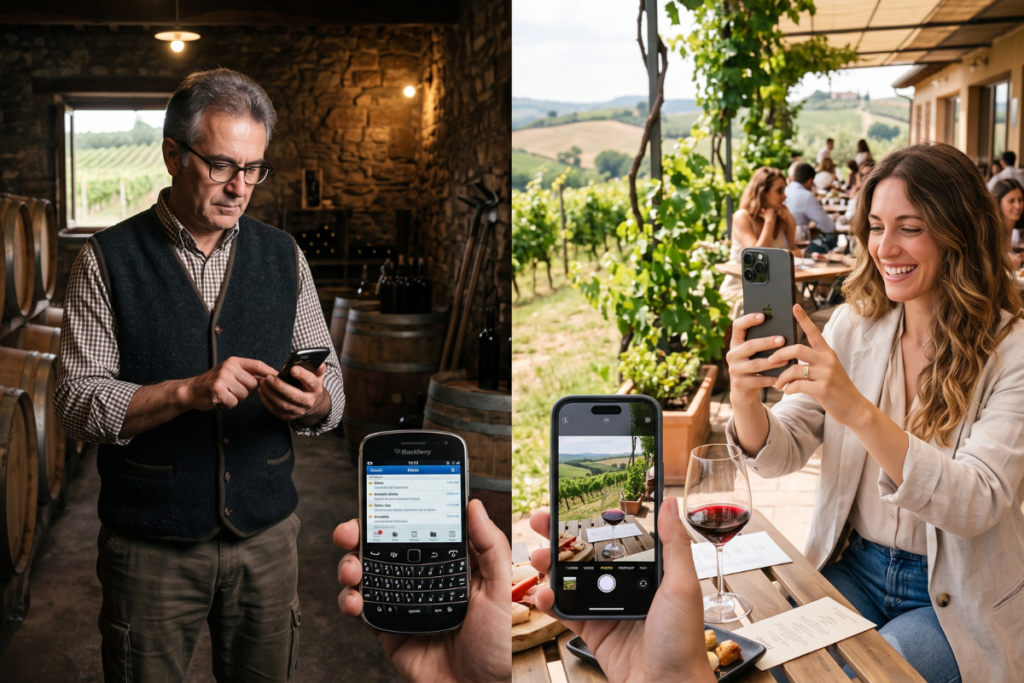
A few weeks ago I launched a specific provocation by inviting wine companies to look around before declaring the hospitality game a winner. The reactions were multiple. The already virtuous wineries took the cue to ask themselves new questions by confirming their aptitude for growth. Others instead preferred to hide behind the usual certainties, convinced they had a perfect and unassailable system.
Today I want to take a step forward and dismantle the two protective shields behind which excessive corporate presumption very often hides. I am talking about those illusory metrics that lull entrepreneurs into a dangerous comfort zone and distance them from the real understanding of their business.
The deception of fully booked schedules
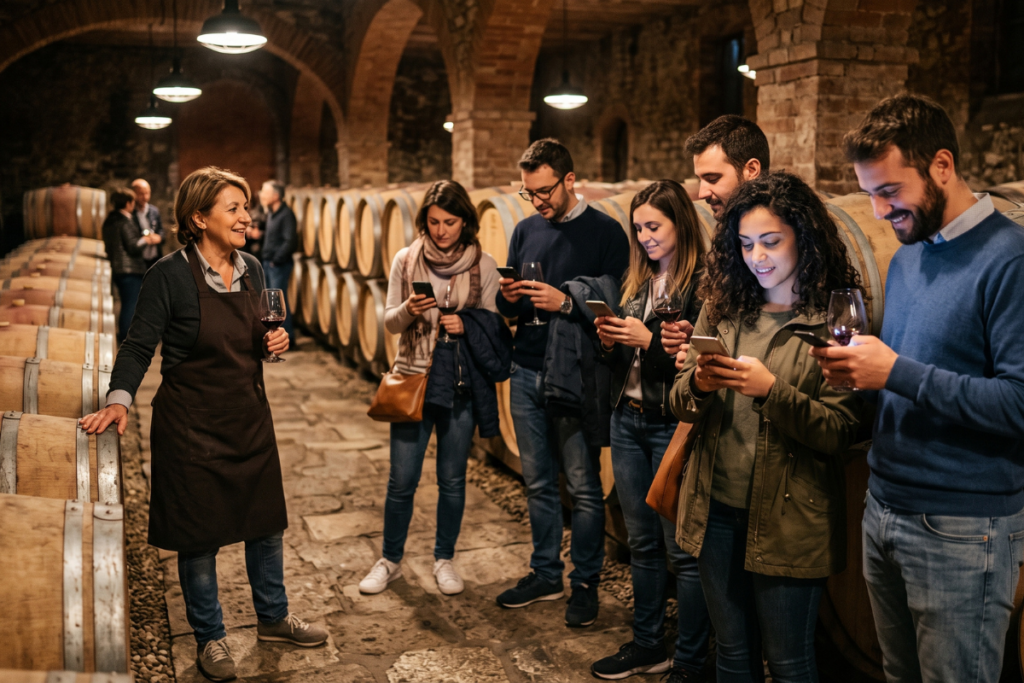
The first great defense almost always sounds like this: “We are already full, we refuse reservations every weekend,wine tourism is doing great”. Having a crowded tasting room certainly gives great satisfaction and makes you breathe an air of success. However, you must have the courage to separate the role of a Sunday tourist parking lot from that of a company capable of making a margin.
Hosting hundreds of people is of little use if the average receipt remains on the floor, if no one signs up for the wine club or the newsletter and if visitors forget to buy your wine once they return home. Selling dozens of low-cost entrance tickets certainly brings volume but building lasting relationships generates a structured turnover.
The true parameter of success in Direct to Consumer lies in the ability to convert a simple visitor into a brand ambassador who is willing to buy your bottles over time. Limiting yourself to issuing receipts for the single tasting means settling for crumbs by giving up the true potential of wine tourism success.
The mirage of silent tourists
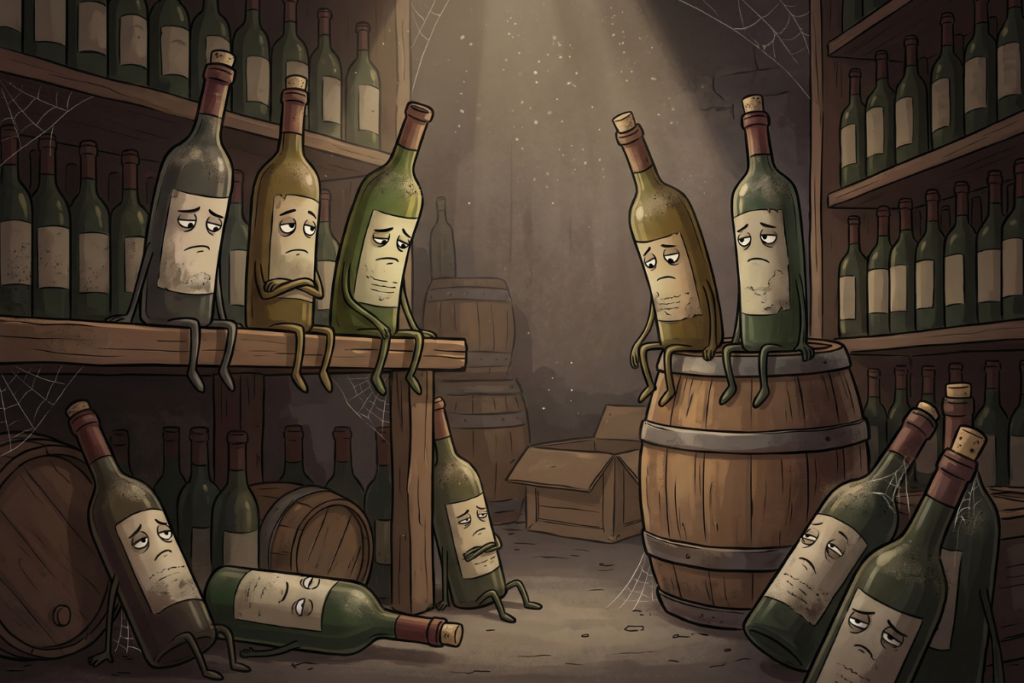
The second alibi used to reject any external comparison concerns direct feedback: “Customers always compliment us at the end of the tour, no one has ever raised half a criticism”. In the hospitality world, politeness and peaceful living very often mask boredom or total indifference. Dissatisfied visitors rarely stage protests among the barrels. They prefer to smile, give thanks, get in the car and erase the brand from their memory.
Formal smiles thus become an anesthetic for the company. People expose themselves clearly only in the face of memorable experiences. If everyone leaves nodding placidly but no one buys a case of wine, your storytelling lacks bite. The absence of direct verbal criticism indicates in most cases the provision of a lukewarm experience. The real confirmations come from enthusiastic reviews, active word of mouth and remote reorders.
Overcoming presumption to start growing
Rejecting an expert external eye by relying on these false certainties blocks corporate evolution. Admitting to have margins for improvement requires entrepreneurial vision, humility and intelligence. Vanity numbers and the courtesy of tourists risk making you lose sight of the real target: profitability and loyalty. I therefore renew the challenge by increasing the dose.
Are you certain that behind that sold-out status there is a truly healthy and unassailable business? We at Wine Meridian continue to bet on your unexpressed potential. We are ready to analyze your processes, confident of finding exactly those hidden cracks behind the formal smiles of your visitors.
Key Points
- Crowded tasting rooms do not guarantee high margins or customer loyalty without a structured sales strategy.
- True wine tourism success requires converting casual visitors into long-term brand ambassadors who buy over time.
- Polite customer feedback often hides boredom and prevents wineries from realizing their experiences are mediocre.
- Vanity business metrics distract entrepreneurs from focusing on actual profitability and building deep direct-to-consumer relationships.
- External expert analysis helps uncover hidden flaws in hospitality processes that prevent true business growth.