Cantine Birgi crafts wine in the unique landscape of the Stagnone Nature Reserve near Marsala, where lagoons, prehistoric islands and ancient salt pans shape the land. Mineral rich soils, sea breezes and thermal swings naturally favor organic viticulture, giving wines a distinctive saline character rooted directly in this extraordinary Sicilian territory.
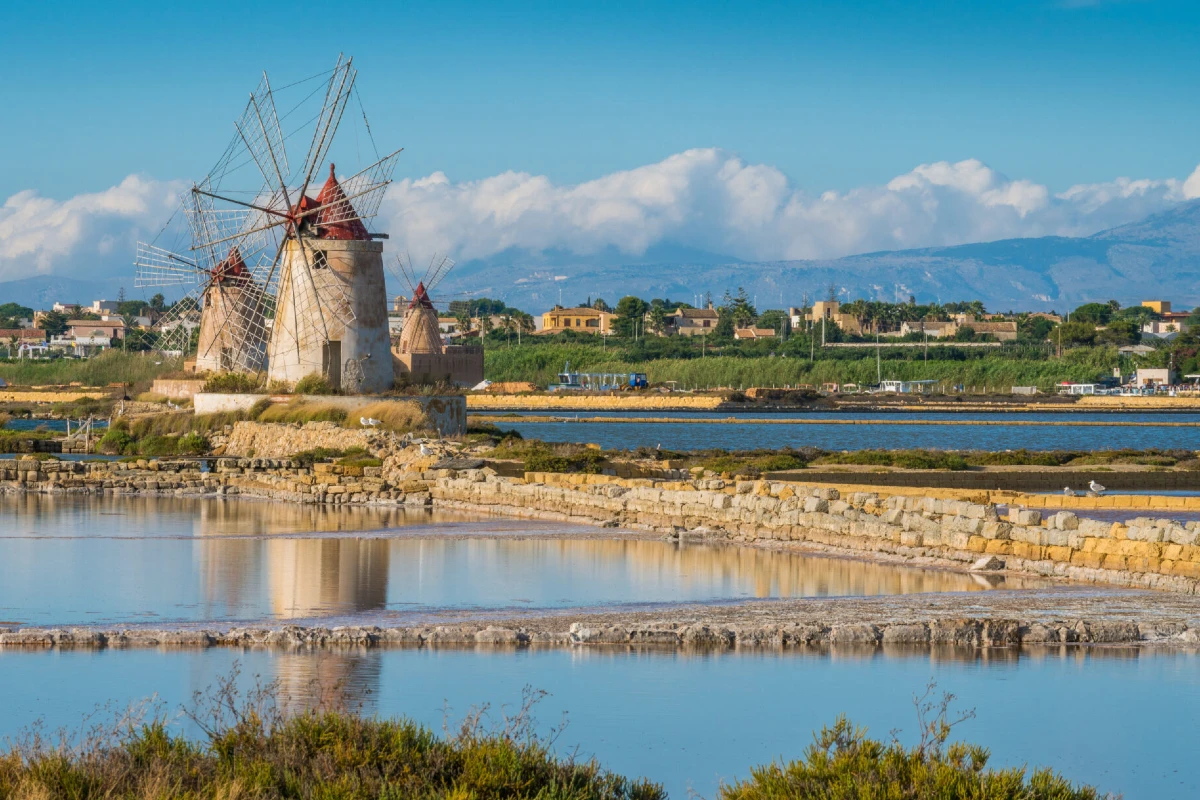
There is a point, in the Marsala hinterland, where the profile of the Stagnone Nature Reserve seems suspended between sky and water. The islands, Mozia, Santa Maria, San Pantaleo, La Grande, float in a shallow, luminous lagoon, surrounded by salt pans that have worked as they did centuries ago, the salt still white and crystalline under the July sun.
This is not just any landscape. It is one of the places where the history of the Mediterranean has left its deepest traces: Phoenicians, Elymians, Greeks, Arabs, Normans crossed this territory and left something behind, in the language, in the architecture, in agricultural techniques, even in the grape varieties.
The vineyards of Cantine Birgi grow in this context, and that is not a minor detail. The soils of the coastal strip around the Stagnone are rich in cations, calcium, magnesium, potassium, sodium, which nourish the vines naturally, limiting the need for external intervention.
The thermal swings, amplified by the proximity to the sea, slow ripening and favor aromatic complexity. The constant breeze reduces humidity and protects the grapes from pathogens, making organic viticulture not only possible but almost obvious.
“Here sustainability is not an ideological choice,” notes winemaker Giuseppe Figlioli, “it is the natural response to the conditions of the territory.”
What stands out, when studying the numbers, is the proportion: out of approximately 96,000 hectares of vineyards in Sicily, almost half are already certified organic or sustainable. An extraordinary share for any Italian region. In the Stagnone area this trend is concentrated and amplified, thanks to pedoclimatic conditions that seem made on purpose for low impact viticulture. This is not rhetoric: it is geography.
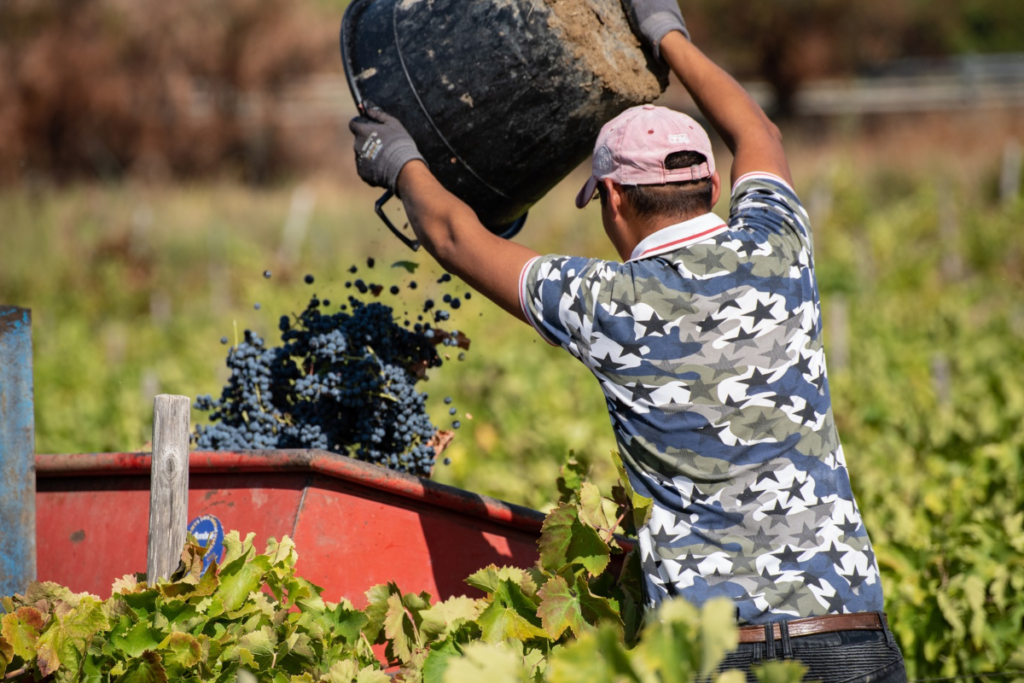
The landscape of the Reserve enters the wine in a concrete, measurable, sensorially perceptible way. The salt that settles on the leaves, the wind that dries the bunches, the light that bounces off the water and warms the rows from below upward.
These are all factors that those who work in the cellar know and respect. This is why the wines produced in this area have something difficult to replicate elsewhere: a mineral and saline imprint that is not an enological artifice, but the direct reflection of where they were born.
Telling the story of the territory, for Cantine Birgi, is not a marketing slogan. It is the mandatory starting point for any conversation about wine.
Key points
- The Stagnone landscape, lagoon, islands and salt pans, shapes Cantine Birgi’s wines directly.
- Coastal soils rich in cations nourish vines naturally, limiting external intervention.
- Sea breezes and thermal swings make organic viticulture the territory’s natural choice.
- Nearly half of Sicily’s 96,000 hectares of vineyards are already certified organic.
- The wines carry a unique mineral and saline imprint tied to their exact origin.