Cielo e Terra is a good example of the evolution of Italian wine from an agricultural product to an industrial and cultural project. Born from the meeting between the Cielo family tradition and the viticultural heritage of Collis Veneto Wine Group, the company has over the years built a model capable of combining large volumes, international presence, and consumer accessibility, without giving up a strong commitment to sustainability.
Among the first Italian wine companies to obtain B Corp certification and to become a Benefit Corporation, Cielo e Terra is an interesting benchmark for those wishing to build on social responsibility and people development to define and enrich their business strategy.
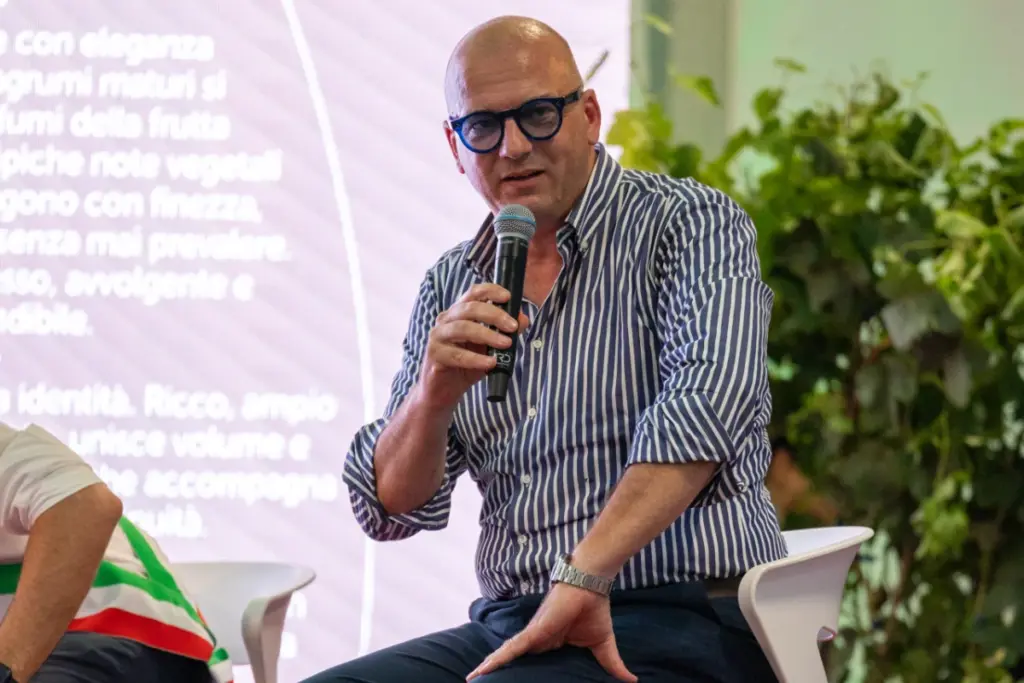
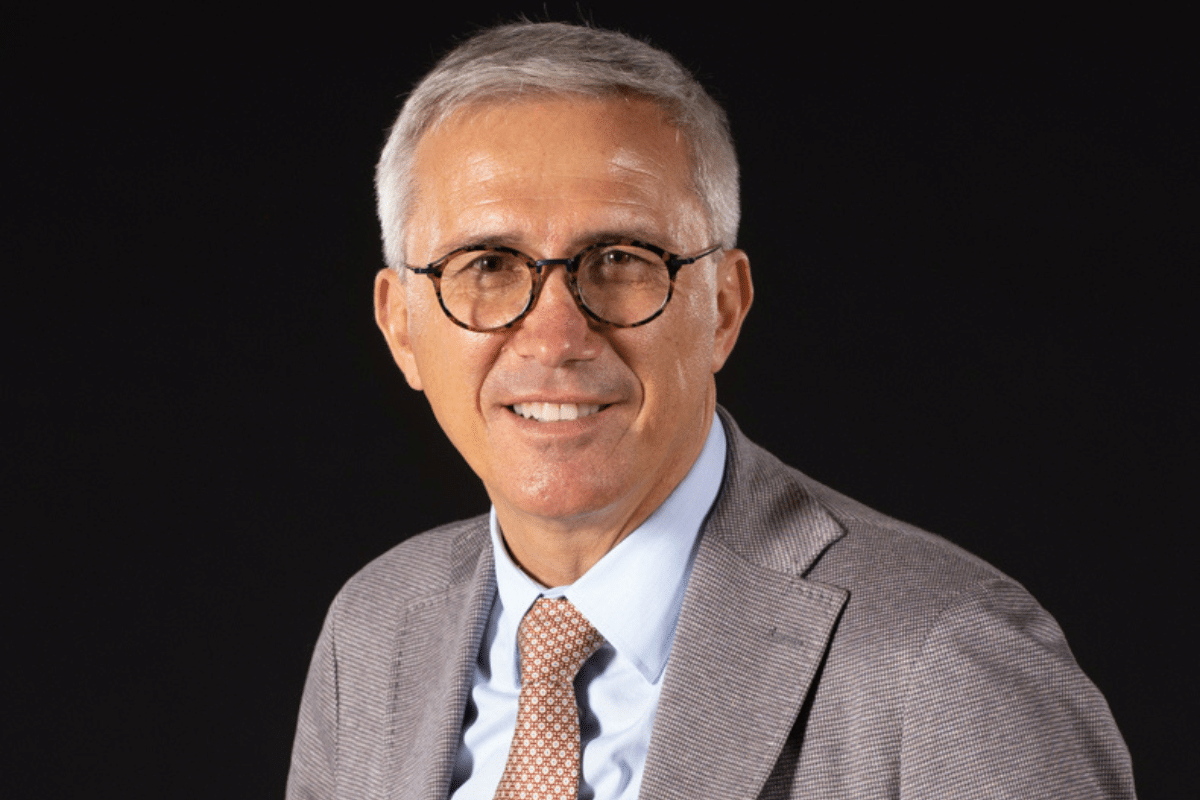
Over the years, the company has accompanied business growth with a structured path on sustainability and people development. One of the founding elements of its entrepreneurial philosophy is a clear conviction: human capital is not simply a resource to be managed, but an essential component of business development. We discussed this with Luca Cielo, the company’s managing director.
Mr. Cielo, what idea of business and what human values underpin the entrepreneurial model of Cielo e Terra?
The values that guide our work are those of a solid and dynamic company, capable of offering a trust-based and family-like environment, in which people can work safely and feel part of a shared project. We have always invested in professional training and in building a proactive corporate culture. We believe that the success of a company depends on its ability to value people, develop their skills, and create the conditions for them to contribute actively to the growth of the organisation.
How do employees concretely participate in the life and evolution of the company?
For us, involvement is not a slogan but a structured activity. Every two years we carry out a corporate climate survey that allows us to gather the perspective of our people on topics such as fairness, recognition, respect, leadership, communication, wellbeing, and sustainability. In the last survey, 73 out of 98 employees participated, a level of participation we consider very significant.
Alongside this are internal communication tools, periodic questionnaires, and initiatives that promote ongoing dialogue. We have also developed listening and reporting systems that guarantee confidentiality and protection for workers, supported by the work of an ethics team involving human resources, trade union representation, and company management. Our goal is to create a context in which people can express ideas, observations, and improvement proposals, feeling genuinely heard.
When internal surveys highlight areas for improvement, how do you address them?
This is precisely one of the most useful aspects of listening. People have confirmed a strong identification with the company, recognition of their contribution to results, and a widespread sense of professional pride. At the same time, very concrete indications emerged about some aspects we can further strengthen.
Among these is the need to communicate the company’s objectives and prospects even more effectively, and to make professional development paths clearer. We have therefore launched important work to define more transparent tools, also in light of recent European regulatory developments on fairness and professional development: I am referring, for example, to Legislative Decree No. 96 of 2026, which has just come into force and introduces salary transparency obligations and, more broadly, rules aimed at preventing wage discrimination.
In this context, the competency assessment project also fits in, which involves a detailed evaluation of skills for each function with the aim of building increasingly structured alignment and growth paths.
Wellbeing is an increasingly central topic in organisations. What tools have you developed in this direction?
We start from a very simple principle: work must be compatible with the quality of people’s lives. For this reason, we pay particular attention to the balance between professional and private life, respecting working hours and seeking organisational solutions that take individual needs into account.
For roles that allow it, smart working is available, alongside flexible arrangements that enable a better balance between personal and professional commitments. We have also developed over time an articulated welfare system, which includes performance bonuses, family support tools, and contributions for education, social care services, supplementary pension provision, sport, and other activities of daily life. In addition to this, there is ongoing dialogue with internal trade union representatives, with whom we periodically share incentive systems and employee initiatives.
Training is another pillar of your human resources policy. In which areas are you investing most?
Training is a fundamental investment because it allows people to grow together with the company. Alongside technical updates and mandatory health and safety training, we work extensively on the development of transversal skills such as problem solving, leadership, time management, and resource management.
In recent years, training activities have increased to support the onboarding of new employees and to reinforce organisational culture. We continue to develop dedicated programmes for new hires and area managers, to ensure constant alignment on company procedures and operating methods. Attention to safety remains an absolute priority: all investments required for risk reduction and the upgrading of environments and equipment are treated as a priority.
Cielo e Terra has been B Corp certified since 2020. What has this journey meant, and what are your priorities for the future?
B Corp certification was an important step because it allowed us to rigorously measure our impact across the areas of governance, workers, community, environment, and customers. More than a milestone, however, we consider it a tool for continuous improvement. We will continue to work to guarantee secure employment, equal treatment, skills development, and people engagement. We believe that the competitiveness of a company depends increasingly on its ability to create a working environment in which everyone can contribute, with responsibility, professionalism, and awareness, to shared objectives.
Key points
- Cielo e Terra was among the first Italian wine companies to achieve B Corp certification and become a Benefit Corporation.
- A biennial corporate climate survey involves nearly all staff to monitor wellbeing, fairness, and organisational culture.
- The company is developing transparent career paths in line with EU salary transparency rules (Legislative Decree No. 96/2026).
- A structured welfare system covers performance bonuses, family support, pension contributions, sport, and smart working.
- Training investment spans technical updates, safety, transversal skills, and dedicated onboarding programmes for new hires.