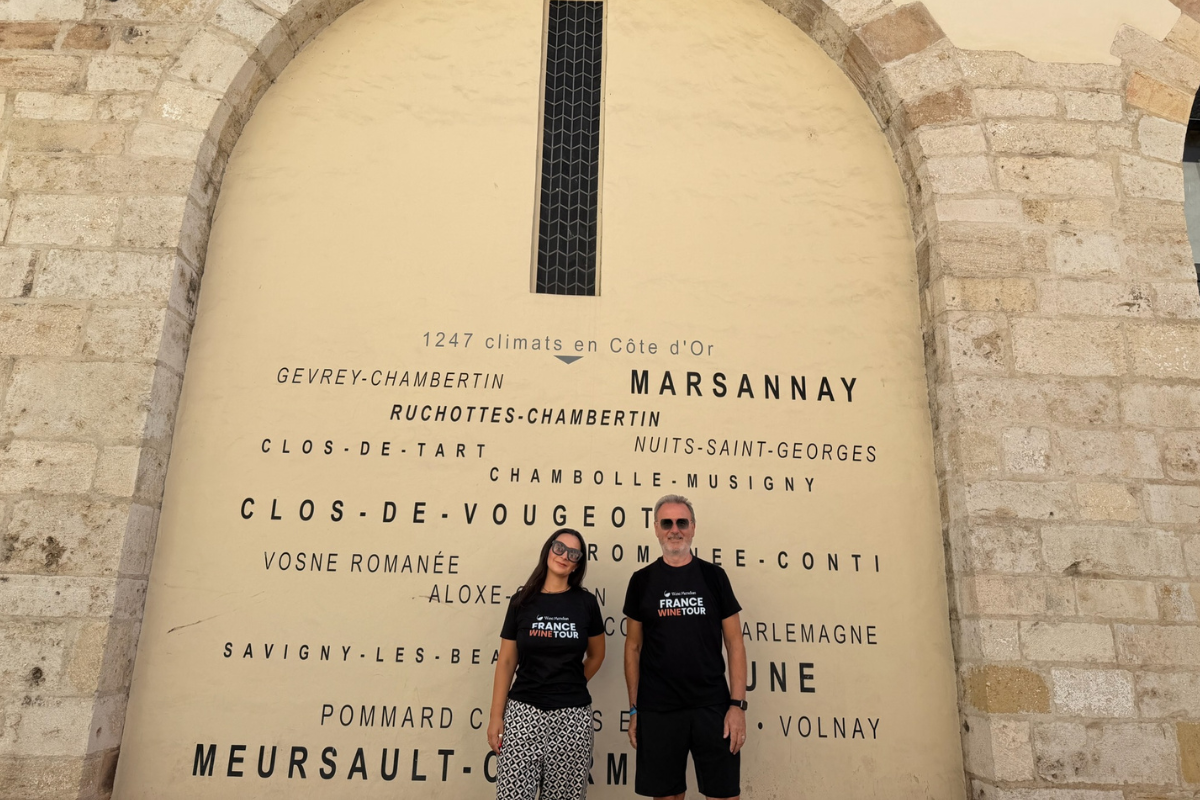
Grande Cave de Vougeot, in the Côte de Nuits, owns no vineyards yet ranks among Burgundy’s most visited cellars. Its success rests on a hospitality model built around storytelling, starting from the history of a vanished noble castle. The cellar attracts growing numbers of Italian visitors, offering lessons for Italian wineries on wine tourism.
The tasting room at Grande Cave de Vougeot is the last surviving remnant of a nineteenth century castle that no longer exists today. It belonged to the Granger family, local nobility known not for wealth but for generosity: Henry Granger and his wife devoted their lives to helping orphans, the sick and those in need, and gathered during international travels a collection of works by regional artists that filled the entire residence.
When his wife died in the early twentieth century, Henry donated his fortune and the entire collection to the Hospices Civils de Beaune. Before the Second World War, the castle was demolished. The finest stones, explains David Lebrun Mougeot, the cellar’s manager, were dismantled one by one and reused to rebuild the new Hospices building.
One might think this story has nothing to do with wine. It is exactly the opposite, and it is the first chapter David chooses to tell. He does not begin with the wines, nor with the appellations. He begins with a vanished castle and a generous family. It is a precise narrative movement, and it says a great deal about Burgundy: wine is the consequence of a territory, a community, a history of donations and moral obligations.
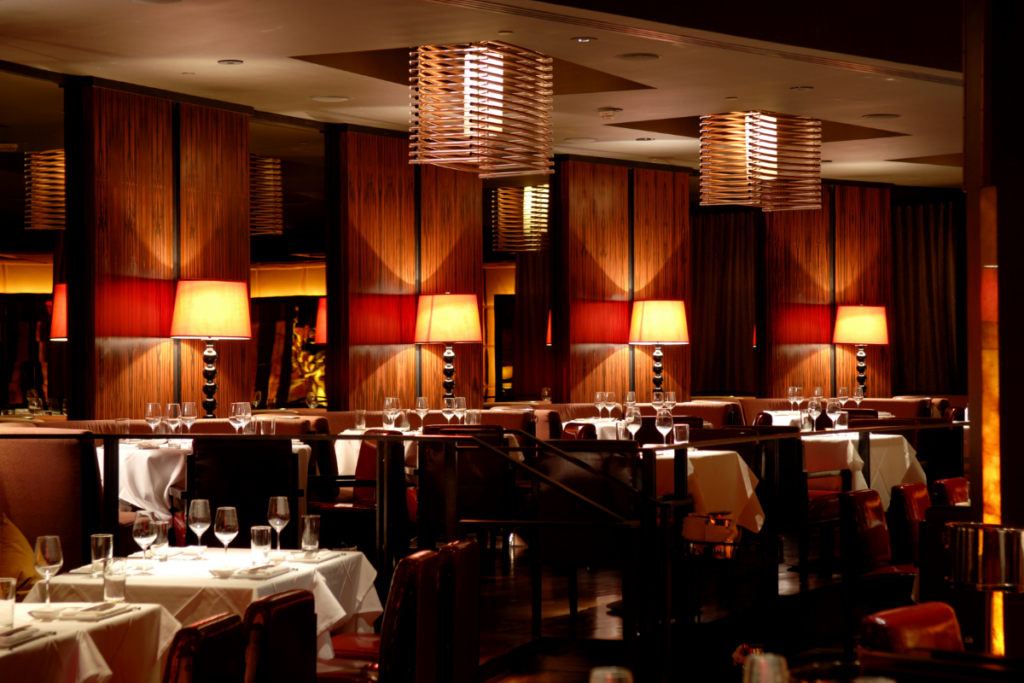
The underground space keeps a natural temperature all year round. On the walls hang maps of Burgundy and museum objects that help visitors understand how winemaking has changed over time. The cellar is structured like a classroom, and every element serves as a teaching aid.
Italians are among the largest groups of international visitors to Grande Cave. This is a fact worth noting: Italian wine tourism toward Burgundy is growing steadily, supported by low cost flights, high speed trains connecting Milan to Dijon in a few hours, and a growing sensitivity toward wine that increasingly looks to the international premium segment too. This means that Burgundy, for many Italians, is becoming as natural a wine destination as Tuscany already is for them.
This hospitality data has concrete implications: it means Grande Cave invests in training its staff to welcome Italian visitors with language skills, an understanding of cultural preferences, and, just as importantly, the ability to compare Burgundy with Italian wine regions in an informed way. David does this naturally, drawing parallels with Prosecco when he explains Crémant de Bourgogne, mentioning Franciacorta when he talks about Burgundy’s traditional method, and openly acknowledging that Crémant has won over Italian consumers who once bought Champagne. These conversational moments carry real value: Italian visitors feel recognized, not merely welcomed.
This is the hospitality model worth studying for Italy. Italian wineries that offer hospitality often have equally strong stories, an ancient abbey, an eighteenth century farmhouse, a family history with public significance, yet too often they undervalue them, reducing them to a simple plaque. Vougeot shows that history is not decoration: it is the framework without which wine remains just a beverage. And that international visitors, when they hear the story before the glass, return home with something more valuable than the bottles they bought.
Grande Cave de Vougeot is not a domaine: it is a commercial cave that offers wines from different producers. It owns no vineyards, and it does not carry a family name like a vigneron estate. Yet it works, and has worked for years, because it understood that wine tourism does not sell wine: it sells context.
This is the lesson David leaves as we walk back toward the exit: “wine tourism is not marketing applied to wine. It is a place’s ability to express itself and be remembered. And a place that loses its families also loses the voice to tell its own story.”
Key points
- Storytelling drives the experience: tours begin with the castle’s history before any mention of wine itself.
- Zero vineyards, strong appeal: the cellar remains among Burgundy’s most visited despite owning zero hectares of vines.
- Italian visitors keep growing: low cost flights and fast trains make Burgundy an increasingly natural destination for Italians.
- Staff training matters: personalized comparisons with Prosecco and Franciacorta help Italian guests feel truly recognized.
- History beats decoration: Vougeot proves storytelling gives wine its context, turning a visit into a lasting memory.