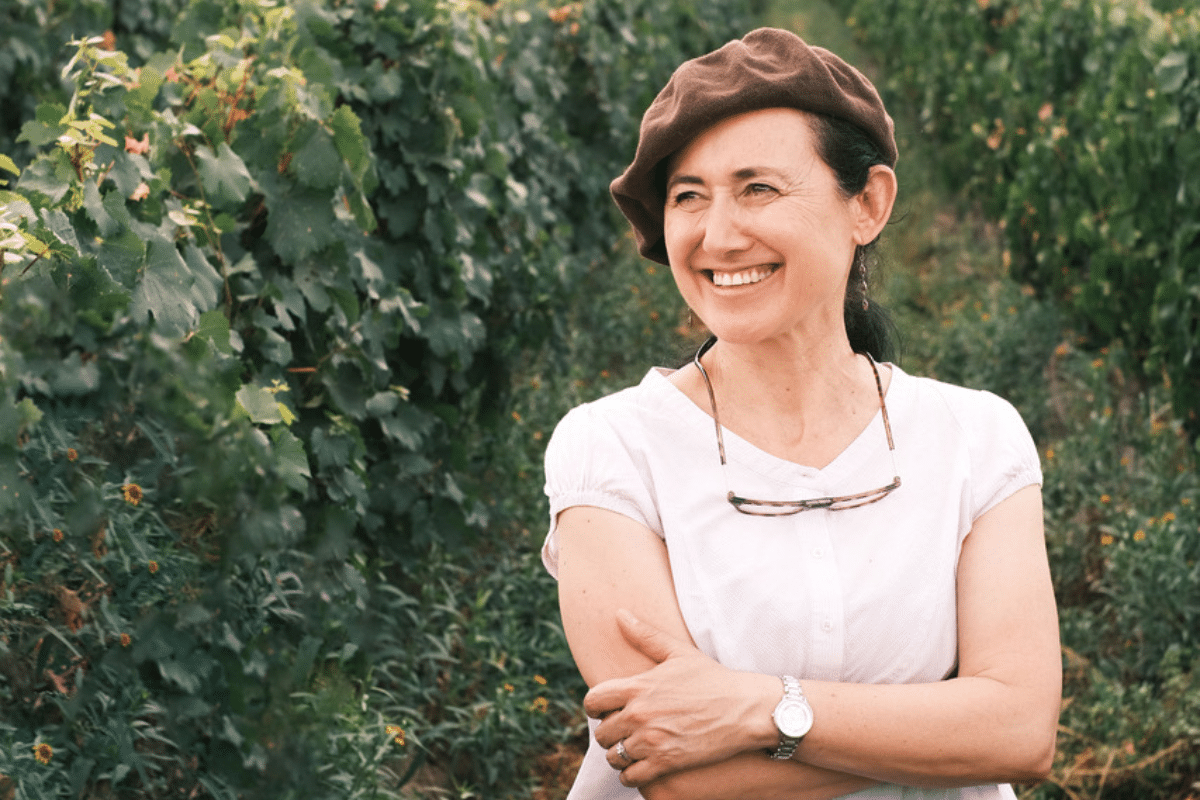
Dr. Laura Catena, fourth-generation Argentine vintner and physician, leads Catena Zapata with a unique blend of scientific expertise and compassion. Her pioneering work preserves old vines through research at the Catena Institute of Wine, where she studies vine longevity, resilience, and microbiome health in Argentina’s high-altitude vineyards.
Dr. Laura Catena, a fourth-generation Argentine vintner, biologist, physician, and author, is internationally recognised as a leading advocate for Argentine wine and Malbec. She has led Catena Zapata since 2009 and founded Luca, La Posta, and Domaine Nico. In 1995, she established the Catena Institute of Wine to elevate Argentine wine through science, pioneering Malbec massale and old vine preservation, high-altitude terroir research, and contributing to Argentina’s Sustainability Code in collaboration with top global universities. In 2023, Dr. Catena was awarded the Old Vine Hero Award.
For Dr. Laura Catena, wine is a living expression of science, care, and heritage. A trained emergency-room physician with a PhD in biology, she has always viewed her dual callings—medicine and winemaking—as extensions of one another. “If you save a person, why shouldn’t you save a plant?” she reflects. “I find it wrong to pull out a vineyard that still gives delicious, beautiful fruit merely because yields have gone down.”
This philosophy underscores her approach to viticulture, especially her work with old vines. At the Catena Institute of Wine, which she founded in 1995, Laura’s team studies vine longevity, resilience, and the microbial ecosystems that sustain vineyard health. “Old vines are stronger than young ones” she explains. “They’re more resilient, with deeper roots and better balance. But like people, they need careful pruning and protection from disease.”
Many of Catena Zapata’s old vineyards are ungrafted—a rarity in modern viticulture—and Laura believes this contributes to their longevity. Her team has shown that ungrafted old vines often outlive grafted ones, thanks to the intimate symbiosis between root and soil. “We have genetically diverse vineyards, massale selections, each vine slightly different from the next,” she says. “We propagate new vines by layering from the sister vine—keeping the family together, literally.”
It’s this blend of biology, compassion, and long-term thinking that defines Laura’s leadership. As she puts it, “At the Catena Institute, we use science to preserve nature and culture. When you pull out a vine, you don’t just kill that vine—you disturb a whole ecosystem: microbes, birds, people, everything that depends on it.”
Raised in Mendoza, Laura grew up surrounded by vineyards, but her path to wine was far from predestined. “When I was a kid, women weren’t supposed to make wine,” she recalls. “My grandfather was obsessed with dogs, and so was I. I became the family veterinarian, saving puppies and nursing them back to life. I guess I’ve always had that instinct—to care for living things, whether people, animals, or vines.”
Though she is deeply Argentine, Laura’s roots trace back to Italy. Her great-grandfather, Nicola Catena, emigrated from the Marche region to Mendoza at the turn of the 20th century, bringing with him a rich Italian winemaking heritage. Laura still speaks Italian, holds an Italian passport, and often reflects on how her family’s Italian traditions continue to shape her vision for wine in Argentina.
That instinct guided her through medical school at Harvard and a residency in emergency medicine at Stanford. For years she balanced her hospital shifts in San Francisco with trips to Mendoza, helping her father, Nicolás Catena Zapata, realise his vision of placing Argentine wine among the world’s finest. “My father had this dream to put Argentina on the world map of fine wine,” she says. “I thought he would fail, because the competition was so strong. But my doctor instinct kicked in—I wanted to help.”
That decision set her on a transformative journey, bridging science and culture, family legacy and innovation. Over time, Laura became both Catena Zapata’s managing director and one of its key scientific minds. “I used to say I couldn’t tell you which I loved more—being a doctor or making wine,” she admits. “My father never forced me to choose. He said, ‘You’ll know when it’s time.’” That time came in 2019, when Nicolás turned 80. “I stopped practicing medicine so I could dedicate myself full time to the winery” she says. “Ironically, it was right before the pandemic—but I don’t regret it. All my medical knowledge now helps me defend wine as part of a healthy lifestyle.”
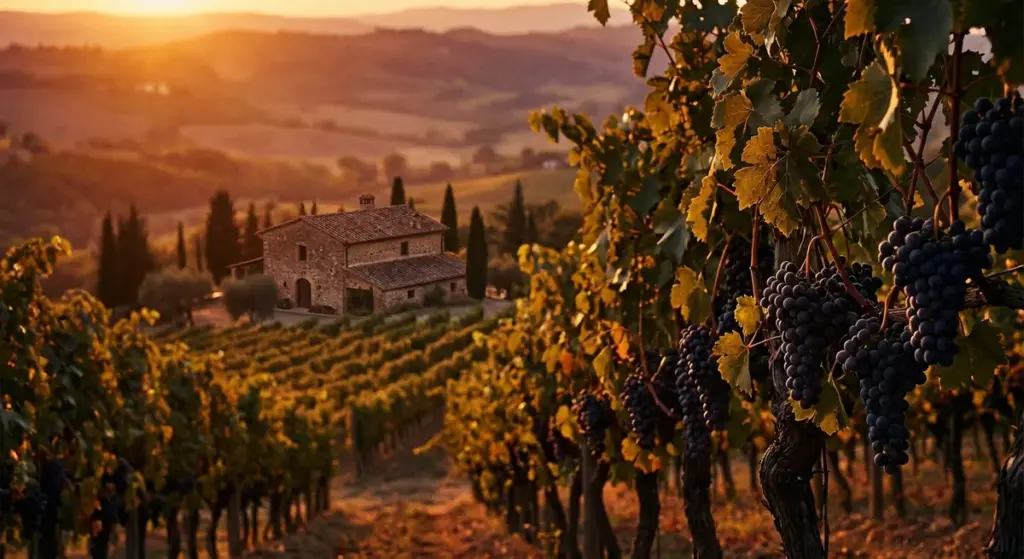
At Catena Zapata’s high-altitude vineyards—some over 1,400 metres above sea level—the concept of longevity takes on new meaning. These are living testaments to resilience and adaptation. Laura’s research into the vineyard microbiome has revealed a thriving underground world where bacteria and fungi collaborate to sustain vine health. “Some rhizobacteria actually make vines happier—they grow more leaves, more photosynthesis,” she explains. “It’s just like human health. Microbes aren’t bad; they’re essential. The more we understand that, the better we can care for the vines.”
Her philosophy extends beyond the plants to the people who tend them. Catena Zapata provides more than 180 vineyard homes for staff and their families, encouraging them to grow their own food and raise animals. “It’s a community,” Laura says. “A vine’s ecosystem includes people, microbes, and the animals that live nearby. Everything is connected—that’s what I call ‘Catenamics.’”
Motherhood, she adds, has deepened her perspective on care and leadership. A mother of three, she juggled parenthood with her dual careers for decades. “Honestly, I don’t know how anyone does it,” she laughs. “It’s almost impossible to have a job and have children. But I think traveling so much helped—if I’d been home all the time, I might have become too controlling!” Her self-deprecating humour conceals a deeper insight: that empathy and balance are as crucial in leadership as they are in parenting. “Being a mother—or simply being caring—applies to everything: the vines, the people I work with, my friends, my family,” she reflects. “It’s not only about having children—it’s about having empathy, nurturing life in all its forms.”
When asked what advice she would offer young women entering traditionally male-dominated fields like winemaking and science, Laura’s response is both pragmatic and inspiring. “First, find something you love doing. You can’t be great at something you don’t love” she says. “Every job has unpleasant parts, so when you find your passion, don’t let the hard days stop you. And study—really study. Go to conferences, read research papers. Don’t just rely on summaries or what AI tells you. Be curious.”
Today, Laura Catena continues to lead Catena Zapata as one of the most admired figures in global wine. Her blend of scientific rigour, human warmth, and respect for nature has not only reshaped the perception of Argentine Malbec—it has set a model for sustainable viticulture worldwide. “We use science not to change nature, but to preserve it” she says. “That’s the future of wine—respect, longevity, and life.”
Michèle Shah, wine critic and food & travel journalist, has been the Old Vine Conference Regional Ambassador for Italy since 2021. She was awarded the 2025 Old Vine Hero Award for Communication & Education. Through her work, Michèle has championed Italy’s old-vine heritage, organizing events, leading field trips, and educating both national and international audiences on the resilience, legacy, and quality of historic vineyards.
Key points
- Old vines are more resilient than young ones, with deeper roots and better balance requiring careful care
- Catena Zapata’s ungrafted vineyards contribute to vine longevity through intimate root-soil symbiosis
- Vineyard microbiome research reveals beneficial bacteria and fungi essential for vine health
- Laura transitioned from emergency medicine to full-time winemaking in 2019 at age 80 of her father
- The winery provides 180 vineyard homes for staff families, creating a sustainable community ecosystem