Traveling far and wide across our peninsula, supporting Italian wineries on a daily basis, I constantly come across a fascinating and dangerous paradox. I find wonderful estates, excellent wines and guided tours planned to the millimeter, yet I perceive a subtle dissatisfaction in the faces of the visitors. This scenario pushed me to develop a metaphor that I always use during my executive interventions.
The Blackberry metaphor: the illusion of functional perfection
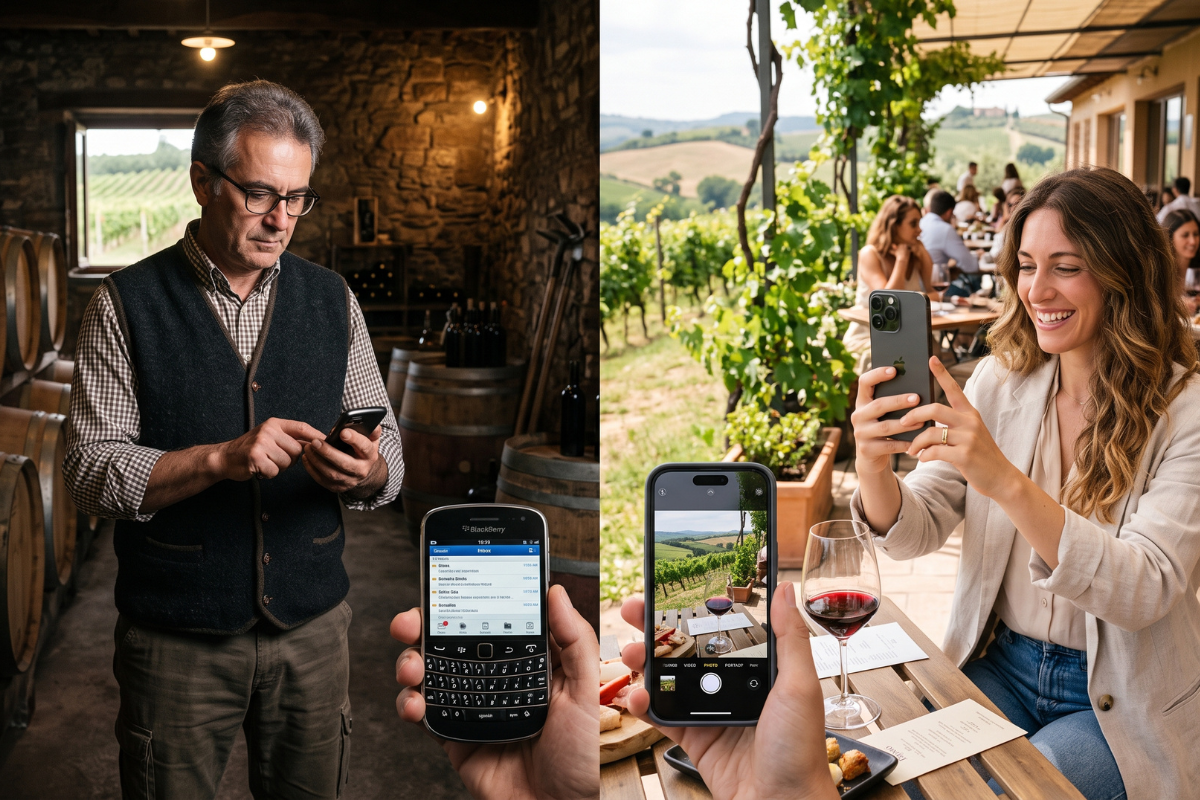
Analyzing the technological evolution of recent decades, we can observe a very clear sequence: Motorola, Nokia,BlackBerry, up to the Smartphone. None of these devices had structural defects and each of them performed its original task perfectly. The world around them simply underwent a radical metamorphosis, fundamentally changing consumption habits.
Today, proposing a technically flawless service becomes totally useless if that format is misaligned with the sensitivity of the contemporary public. Wine tourism faces exactly the same crucial turning point. Continuing to perfect an outdated model inevitably leads to commercial marginalization.
Wine tourism is not what you want to tell about the winery, it is the experience people want to live
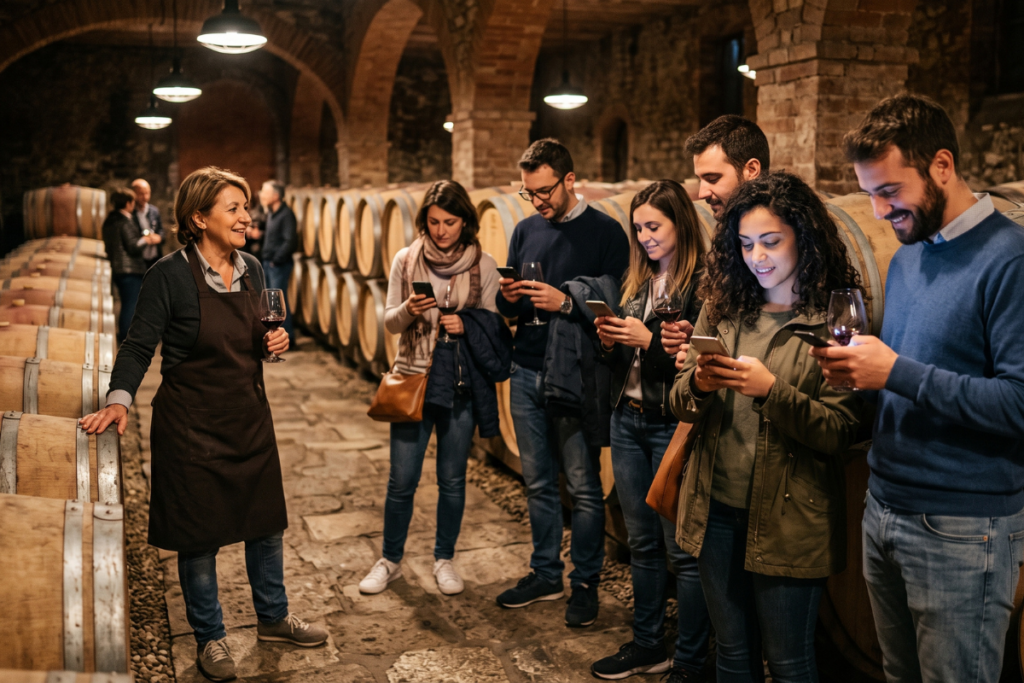
The new generations show us clearly the difference between the old and the new world. The old phone was strictly built around its main function of making calls, while the smartphone revolves entirely around the user and their multiple needs. The old traditional visit follows this same outdated logic, resulting in being built exclusively around the winery and its self-celebratory needs.
The new wine tourism requires overturning this approach, building the entire experience around the person and their emotional well-being. The traditional Italian visit exactly follows this pattern: a walk in the vineyard, entry into the cellar, admiration of the barrels, the telling of the company history, a final tasting and a transition to the shop.
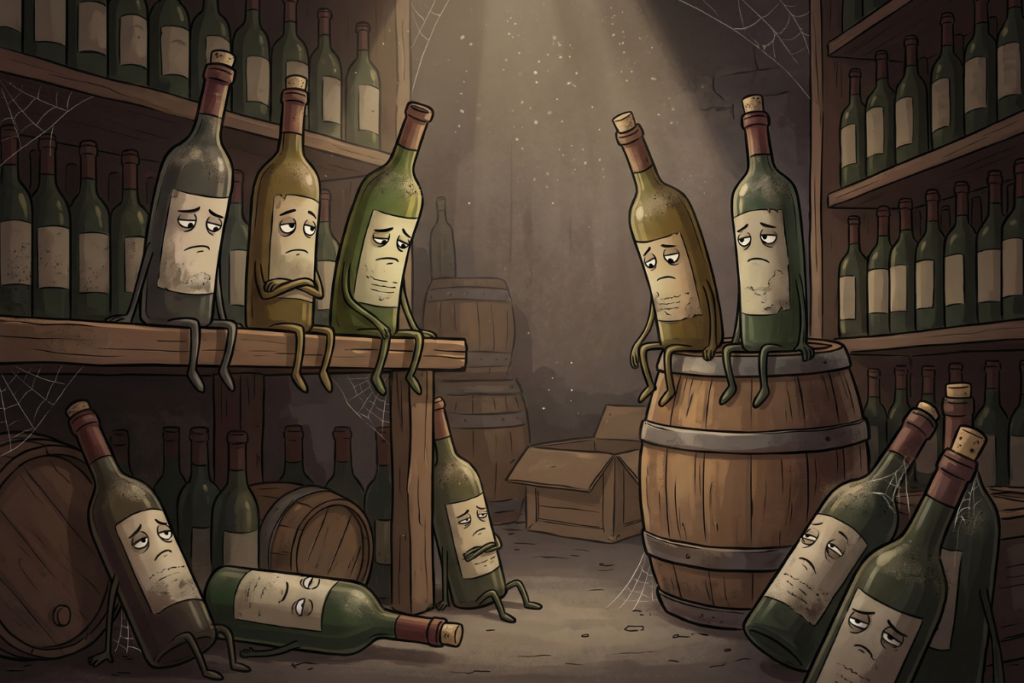
All this process still works perfectly, yet today’s deeply transformed consumer desires to receive completely different stimuli. Persisting in proposing this closed package means condemning the company to irrelevance, ignoring the signals of a market that rewards flexibility, rhythm and spontaneous interaction.
Foreign models: the triumph of the place to live
Looking at the most advanced international wine tourism destinations, we notice a formidable distinction. Crossing the entrance of an agricultural estate, one perceives the beautiful sensation of accessing a place where one wishes to stay for a long time. The most impressive evolutionary leap of global wine tourism sanctions the definitive passage from a simple destination wine to visit, to a vibrant place to be to frequent assiduously.
These foreign models have understood that the real competitors of the winery include giants like Apple Stores, Disney parks, luxury hotels, restaurants and even Airbnb. Tourists judge the hospitality in the cellar using these parameters of world excellence, demanding fluid, comfortable environments completely devoid of any organizational friction.
Key Points
- Adopt customer-centric experiences instead of relying on outdated and rigid winery tour formats.
- Prioritize emotional well-being to meet the evolving demands of deeply transformed contemporary consumers.
- Embrace flexibility and spontaneity to avoid commercial marginalization and irrelevance in the global market.
- Benchmark global hospitality standards to create fluid and comfortable environments for all visitors.