The Mornington Peninsula, a premier Australian wine destination near Melbourne, offers key lessons for Italian wine tourism. With its synergy among businesses, clear organization, and visitor-first approach, it exemplifies how patience, conviction, and shared vision create a thriving tourism ecosystem.
The Mornington Peninsula, located a short distance from Melbourne, is one of Australia’s most fascinating wine tourism regions. With approximately 50 wineries, alongside breweries and distilleries, this destination attracts not only international tourists but also a significant local audience, particularly on weekends.
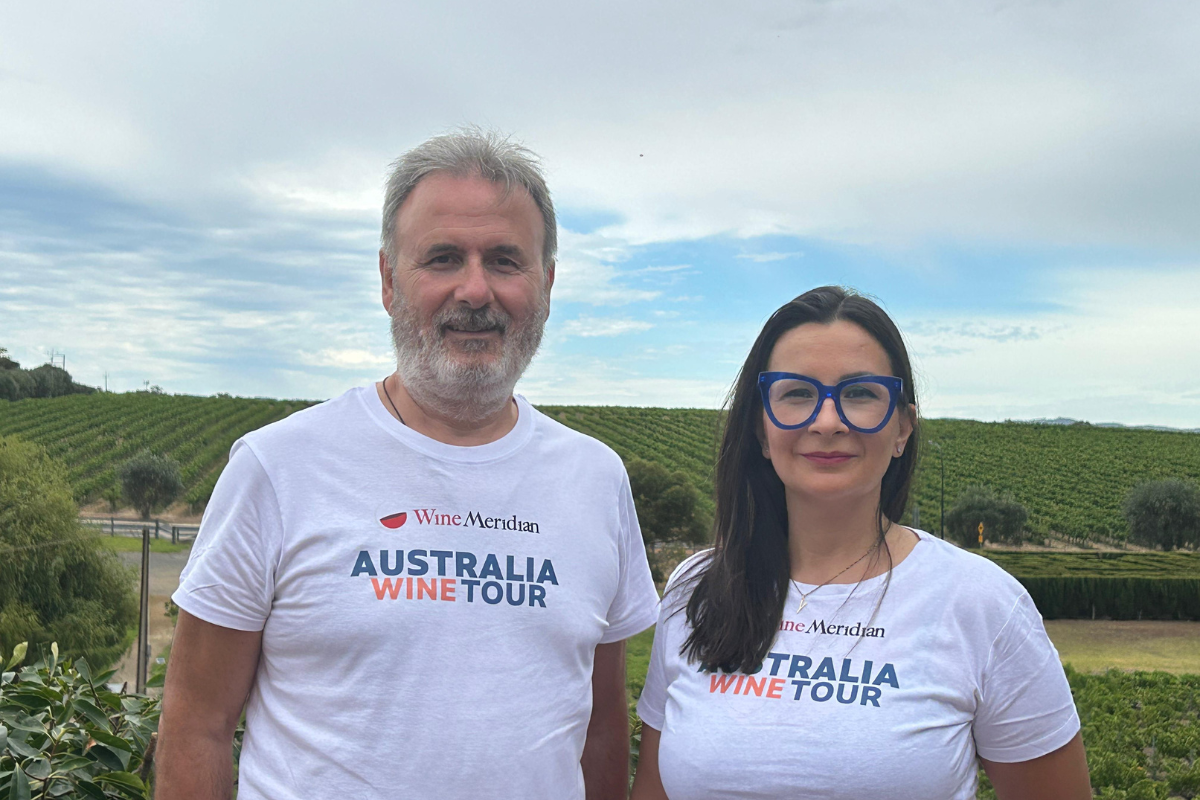
During our Australia Wine Tour, we were struck by an organizational model that has much to teach Italian wine tourism, especially in terms of synergy among local businesses and the mindset with which they welcome visitors.
A territory designed for tourists
The first thing that grabs attention is the territorial organization. Each winery, brewery, and distillery is part of a coordinated system, reflected in detailed maps with clear information on opening hours, days of operation, dining options, and types of products. These tools are designed to simplify exploring the area, making the tourist experience seamless and enjoyable.
But it’s not just about organization. The true strength of the Mornington Peninsula lies in the mindset of its operators: a profound belief that wine tourism must be born first and foremost in the minds and hearts of those who welcome guests.
Patience as an ally of vision
Speaking with local operators, a key concept emerged: patience paired with a clear vision. Tourism doesn’t develop overnight. Here, everything began with individual businesses daring to ask themselves:
- What can I offer to convince visitors to come to me?
- How can I make myself known?
- How can I meet their needs?
This vision has transformed every winery into a tourist landmark. Some businesses, for example, offer seemingly simple yet strategic services, such as always-clean outdoor restrooms accessible to anyone. This small gesture stems from the awareness that providing a service can turn into an opportunity to draw a visitor into the wine shop.
A cultural paradigm shift
The Mornington Peninsula’s most profound lesson lies in its reversal of the cultural paradigm: the visitor’s needs come first, and around these, an irresistible offering is built.
This approach requires three fundamental elements:
- Patience: Success is built over time, with consistency and dedication.
- Conviction: The certainty that every gesture, even the smallest, can make a difference.
- Belief: A shared vision capable of motivating every single operator in the territory.
What can we learn?
Italian wine tourism has all the potential to adopt this model. However, a mindset shift is needed: placing the tourist at the center, listening to their needs, and crafting an offering that wins them over based on those needs.
In Mornington Peninsula, we learned that wine tourism is not just an economic opportunity but a project born from the heart, vision, and the desire to build something unique.
Key Points
- Visitor-first approach drives success in the Mornington Peninsula’s wine tourism model.
- Synergy among wineries ensures seamless and enjoyable tourist experiences.
- Patience and vision are essential for sustainable tourism growth.
- Simple services, like accessible restrooms, attract and retain visitors.
- A mindset shift is needed to prioritize tourists’ needs in Italian wine tourism.
Australia Wine Tour: read all our articles:
- Barossa Valley: the secret to boosting direct sales is changing the cultural approach to wine
- Yarra Valley: the wine tourism model that can inspire the future of Italian wineries
- Australia wine tour: five key lessons from Canberra Valley and King Valley for the future of Italian wine tourism
- Adelaide Hills and the art of direct sales: lessons from Penfolds
- Australia and wine: a lesson in inclusivity and hospitality
- What kangaroos taught me in Australia