Exploring the Wine Tour 2026 in Argentina, this article reflects on the necessity of reconnecting wine with its popular and communal roots. By analyzing the shift from elitism to inclusivity, it argues that the future of the industry depends on moving past technical isolation to embrace wine once again as a shared, social, and human experience.
This editorial arises, once again, from our Wine Tour 2026 in Argentina, but above all from a question that has accompanied us for some time: if we truly want to imagine new paths for the future of wine, are we sure the answer lies only in the new? Traveling through vineyards, cities, and stories, we had the opposite feeling. To move forward today, wine must perhaps have the courage to look back with honesty.
In recent decades, we have progressively removed an important part of wine’s history: the most popular, daily, and even “poor” side. This removal is understandable if we think of traumatic events like the methanol scandal in Italy, which deeply scarred the collective imagination. The industry distanced itself from anything appearing approximate or not noble, but in doing so, we perhaps threw away the essential, spontaneous bond between wine and people.
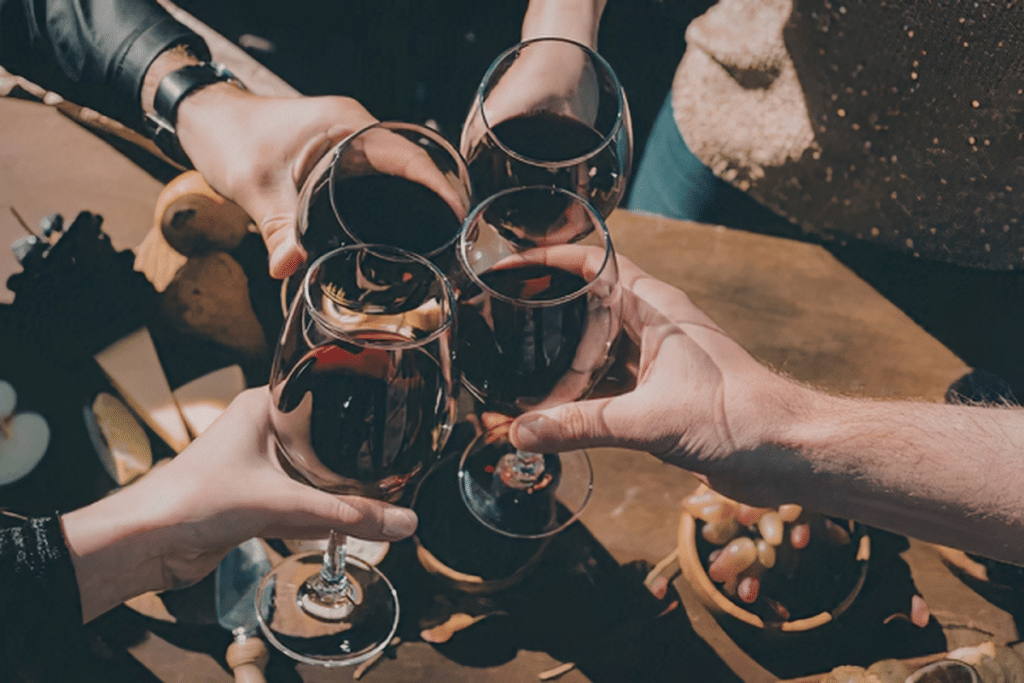
In an attempt to redeem itself, wine has taken an increasingly sophisticated, technical, and symbolic path. It has built a complex language, often self-referential, which has ended up fueling a form of elitism. We now see bottles that are explained rather than drunk, and rituals instead of moments of sharing. The result is a growing detachment from young consumers who do not reject wine itself, but what it represents.
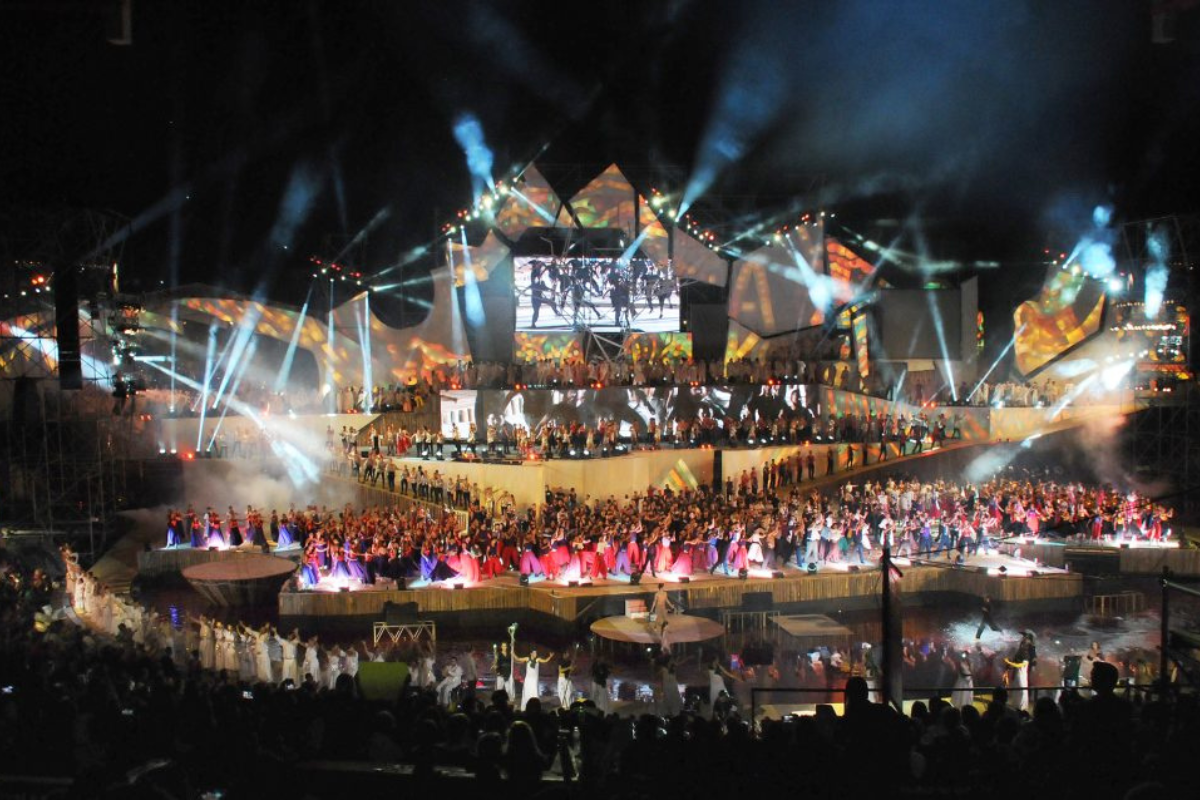
In Argentina, this gap suddenly became clearer. In Mendoza, during the month of March, the Fiesta Nacional de la Vendimia takes place, a celebration involving the entire city and drawing hundreds of thousands of people. It is not a fair for insiders or an exclusive event. It is an authentic folk festival where wine is returned to its original role as a collective identity element for families, youth, and the elderly alike.
Observing this festival, it is difficult not to ask a simple yet uncomfortable question: how necessary would it be today to bring wine back to a more popular, less ostentatious, and less intimidating dimension? This is not to deny its quality or complexity, but to restore a social function that seems to have been lost. Making wine inclusive once again could make it relevant to modern society and restore its true purpose.
We felt the same visiting the wine museum in Cafayate, in the heart of the Salta region. A photographic section dedicated to the late 19th and early 20th centuries shows images of harvest festivals and communities gathered around wine. These scenes are not unique to Argentina; we recognize them in many Italian wine villages. Wine served as a social glue, representing the same communal dimension we often miss today in our modern world.
This is not about mourning an idealized past or ignoring the real problems that world carried. The point is not to go back, but to ask if, in our drive for prestige, we have lost a piece of meaning. Bringing wine back to a popular dimension would not mean impoverishing it. Re-establishing a human connection might be the only way to ensure the industry’s future relevance and growth.
This reflection dialogues surprisingly well with the thought of Priscilla Hennekam. In her 2026 work, Rethinking the Obsession: The Questions That Will Decide the Future of Wine, she invites the sector to stop and change its gaze. Hennekam speaks of an industry too busy defending a system built for a different era, focusing more on protecting its historical prestige than on creating real value for the contemporary consumer.
Perhaps, among the questions that should guide this new way of thinking, there is one that sounds only apparently paradoxical: what if part of the future of wine lies in a way of thinking we abandoned too quickly? A simpler, more human way, less anxious to prove something. We must adapt these old values to today’s world without losing their essential validity or their ability to bring people together.
Argentina, with its popular festivals and wine occupying public space without complexes, offered a precious starting point. It is not a ready-made solution, but a possible direction. At a time when wine risks speaking less and less to people, the true revolution lies in reopening the circle and sharing wine as part of life, rather than an exception. In the end, the biggest risk is thinking we already know everything.
Key points
- Reconnecting with popular roots is vital to bridging the gap between wine and younger generations of consumers.
- The Fiesta Nacional de la Vendimia demonstrates how wine functions as a powerful tool for social and collective identity.
- Moving past technical elitism allows wine to be experienced as a shared human moment rather than a status symbol.
- Future industry success depends on inclusive strategies that prioritize community value over the protection of historical prestige.