A journey through 22 Argentine wineries reveals fundamental differences in wine tourism approach compared to Italy. From Mendoza’s structured hospitality platforms to Cafayate’s extreme altitude vineyards, Argentina demonstrates how wine tourism should be treated as a creed, not an accessory service, with tailored experiences for diverse visitor profiles.
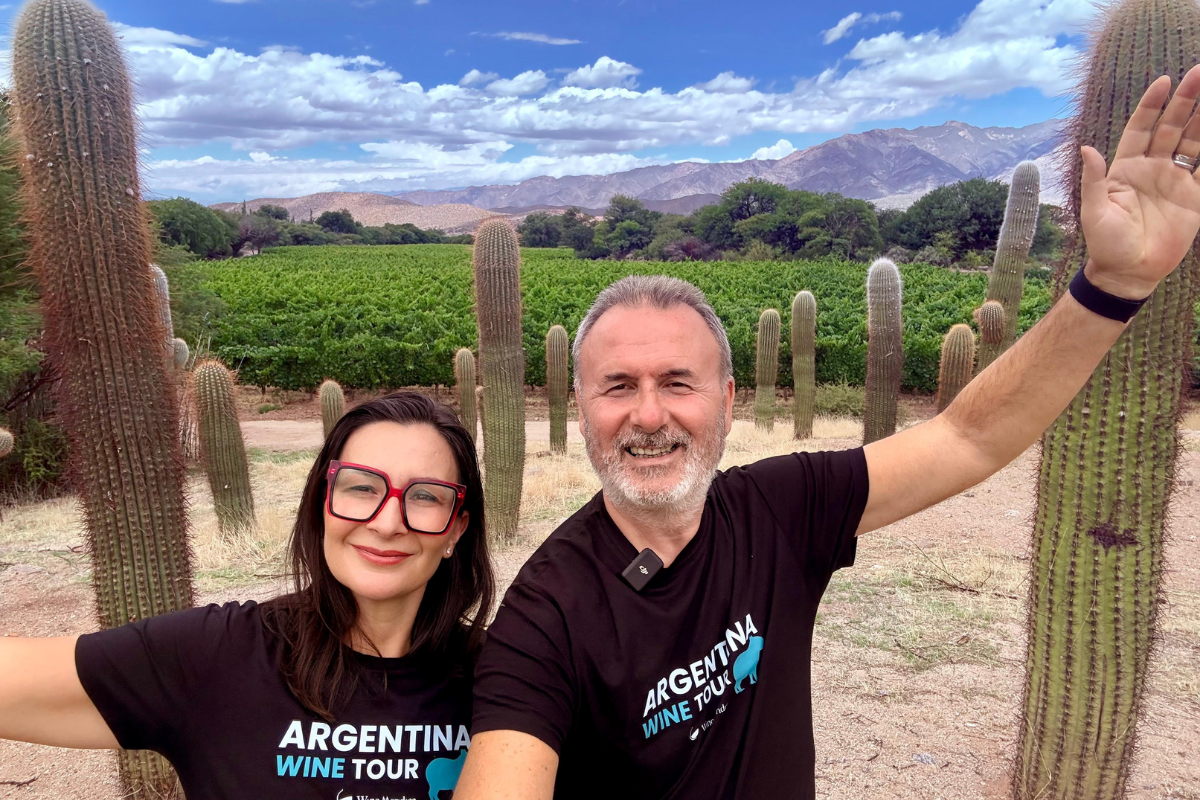
We’ve just returned from Argentina with the clear feeling that certain trips don’t end when the plane lands, but continue to work inside you. Twenty-two wineries visited, dozens of interviews, kilometers traveled between different areas of Argentina, and a quantity of stimuli that are difficult to organize into a single reflection. But we have to start somewhere.
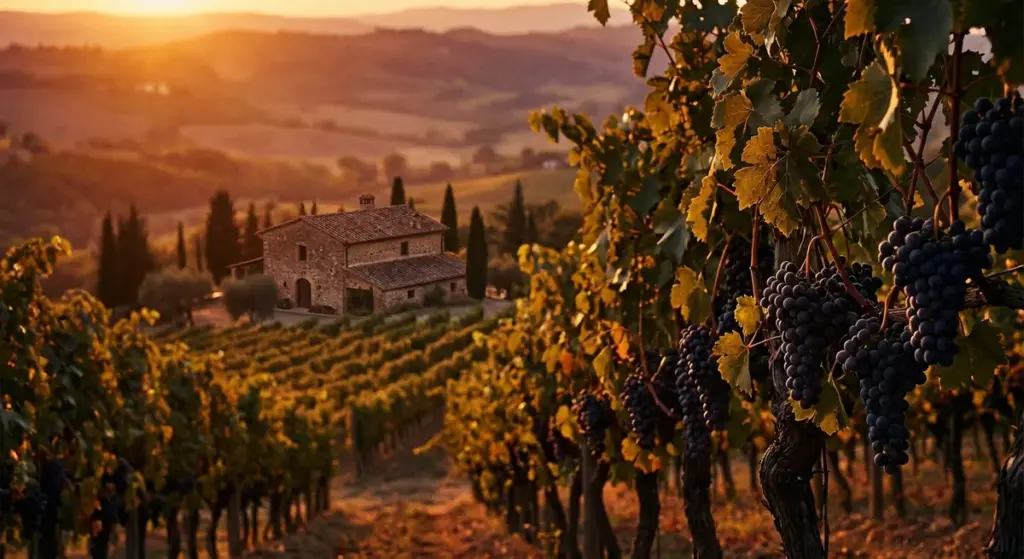
Our wine tourism tour focused mainly on the various areas of Mendoza, the most structured and organized heart of Argentine wine tourism. Here, wineries are not just production sites, but true hospitality platforms, designed, planned and managed to receive significant numbers of visitors, with very high standards and a crystal-clear vision.
Then we ventured further north, to the province of Salta, particularly around Cafayate. This is where wine tourism meets the extreme: vineyards growing at impressive altitudes, wineries that have become famous worldwide for working at elevations approaching 3,000 meters. Visiting the world’s highest winery is not just a technical or scenic experience: it’s a powerful and epic story.
And it’s precisely from here that the first major difference compared to Italy emerges. In Argentina, wine tourism is a myth. Not an “accessory service,” not a side activity, but a creed. You perceive it from the booking, you feel it in the words of those who welcome you, you experience it in the way the winery, the wine, and the production philosophy are told to you. Making a visit is never presented as something ordinary: it’s a “magnificent” experience, worth believing in and investing in. In Italy, too often, this level of conviction is not yet so deeply rooted.
Another major lesson concerns target management. Argentina, in some ways like Italy, intercepts very different audiences: expert wine lovers, certainly, but also nature enthusiasts, trekking lovers, curious travelers who decide to enter a winery almost by chance, to fill two hours or to discover something new. And here a strong awareness emerges: there cannot be a single narrative, a single script, a single experience valid for everyone.
We participated in collective and individual tastings, more technical paths and more emotional ones. The difference wasn’t so much in the wine in the glass, but in the ability to adapt language, depth, rhythm and content to the people in front of you. A simple principle, but still too often underestimated.
Alongside positive insights, we also collected mistakes to avoid, organizational rigidities, models that only work in certain contexts. Because traveling, especially when you observe carefully, also helps you understand what not to replicate.
It’s evident that all this cannot be contained in a single article. And that’s why we’ve decided to organize a two-hour in-depth webinar, scheduled for Wednesday, January 28, during which we will share practical suggestions, ideas and insights born directly in the field. A true distillation of the Argentine experience, designed for those working today in the development of Italian wine tourism.
Because looking far away, sometimes, is the best way to return home with a fresh perspective.
Key points
- Argentina treats wine tourism as a myth, not an accessory service, investing heavily in visitor experience
- Successful wine tourism requires adapting narratives to different target audiences, from experts to casual visitors
- Extreme vineyards at 3,000 meters altitude in Cafayate create powerful, epic storytelling opportunities
- Mendoza wineries operate as professional hospitality platforms with high standards and clear vision
- Observation of both successes and mistakes helps identify what not to replicate in Italian context