In wineries, price comparison with supermarkets often creates tension at checkout. The solution lies not in technical justifications about product quality, but in shifting value from the bottle to the human relationship, personalization, and unique experience that cannot be replicated in retail channels.
In the winery, where narration and emotion should reign supreme, there exists an “elephant in the room” that often freezes the atmosphere at checkout: the price comparison.
During a recent discussion among industry professionals and sector trainers that Wine Meridian participated in, an increasingly frequent dynamic emerged forcefully, born from digital transparency and multi-channel distribution. The objection is direct, sometimes brutal: “I found your wine at the supermarket and it costs 2 euros and 50 cents less.”
Faced with this statement, which risks undermining the credibility of direct sales, the Hospitality Manager’s reaction cannot be embarrassment or defensive justification.
The trap of technical justification
The first reaction, instinctive for producers, is to defend the quality of the product “at the source.” Some operators focus on the concept of preservation: “You buy it here from us at the winery, you know it was in the cellar until 30 seconds ago.” The comparison that emerged is effective: it’s the difference between buying a garment in an exclusive boutique or on a fast-fashion platform; the material may seem the same, but the context and guarantee of integrity are radically different.
However, insisting too much on this aspect hides a pitfall: the risk of implicitly devaluing the GDO channel, which for many companies still represents a fundamental slice of revenue. Telling the customer that wine at the supermarket is “stored worse” can be a commercial boomerang.
The value of the person: beyond the 3-euro difference
The real turning point lies in shifting value from the bottle to the human relationship. The price objection collapses when the visitor perceives that those few euros of difference compensate for the time, smile, expertise, and hospitality received. “You are worth much more than those 3 euros.”
If the hospitality has been impeccable, the customer will hardly get stuck on a negligible amount, because the purchase becomes a way to gratify those who accompanied them through the experience.
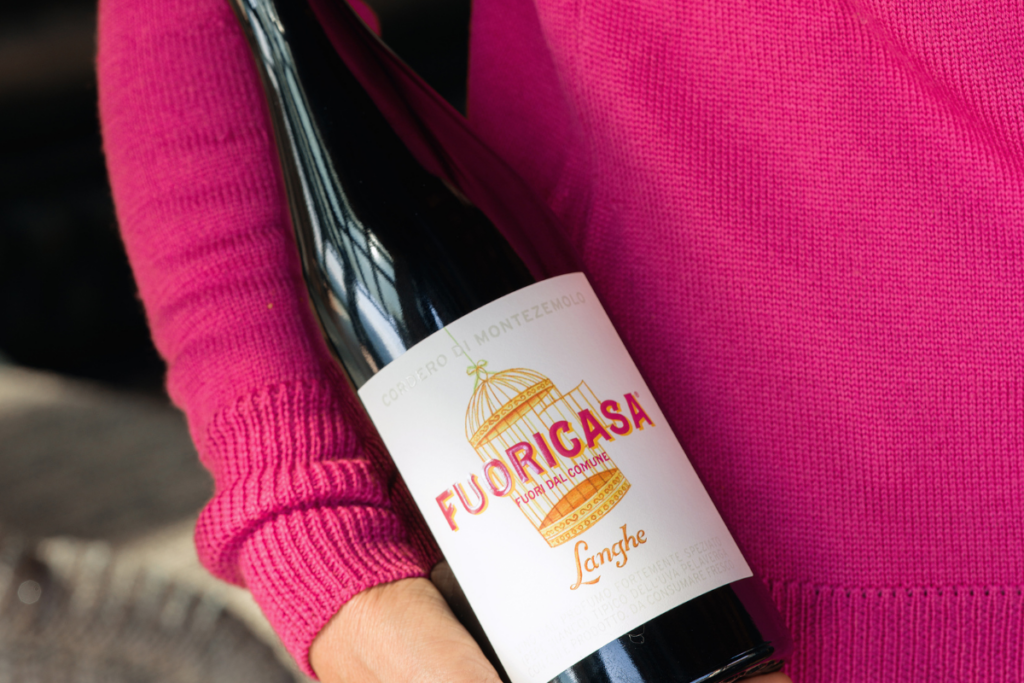
Here comes into play the psychology of assisted selling. A brilliant strategy that emerged from the discussion is that of tangible personalization. If the customer is right about the price, the winning response is a serene admission followed by an emotional comeback: “You’re right. But you won’t have the photo with me and you and the bottle. Or the bottle with my signature.”
The idea of signing the bottle, making it a “unique piece” not replicable on a supermarket shelf, transforms the wine into a high-added-value souvenir. Giving a friend a bottle autographed by the producer or purchased directly at the place of origin allows the customer to “make a great impression,” telling a story worth much more than the two-euro savings.
It’s the difference between giving an object and giving an experience.
The paradox of “non-sale”
Finally, there’s a visionary approach that requires great corporate maturity: accepting non-sale on-site to gain a brand ambassador. If the tourist, despite the experience, prefers to purchase through the cheaper channel, the Hospitality Manager must not show resentment.
Concluding with a selfie and an invitation to continue choosing that label, wherever it’s found, consolidates a relationship that will bear fruit in the long term. Wine tourism, in this vision, stops being just a direct sales channel to become (also) the most powerful relational marketing tool available to wineries.
When the experience is authentic, price becomes a detail. When emotion is lacking, it becomes the only topic of discussion.
Key points
- Price objections in wineries stem from digital transparency and multi-channel distribution
- Technical justifications about storage quality risk devaluing the GDO channel
- Personalizing bottles (signatures, photos) transforms wine into unreplicable souvenirs
- The price difference remunerates human relationship and hospitality received
- Accepting non-sale on-site can create brand ambassadors for long-term gains