The Yarra Valley in Australia offers a wine tourism model built on three levels of visitor experiences, from tastings to immersive food pairings, all aimed at fostering direct sales and loyalty. With lessons on storytelling, cost-effective tastings, and creating memorable experiences, Italian wineries can adopt and adapt these strategies for a cultural shift in wine tourism.
The Yarra Valley, one of Australia’s most renowned wine regions, offers a wine tourism model that serves as a true school for industry professionals. During our recent tour in Australia, we observed firsthand a system with one clear goal: transforming every visitor into a loyal customer, focusing on direct sales and the wine club.
This approach is structured around three levels of experience, each aimed at engaging tourists in a gradual but impactful manner.
The first level: tasting as the entry point
The journey begins with tasting. For a small fee (10-20 Australian dollars), visitors can sit at the bar or a table to sample 5-6 wines in micro-pourings. The wine explanations can be delivered through brief introductions or informative materials, making the experience accessible and easy to replicate. It’s a simple but effective way to engage novices and break down potential barriers.
One standout detail: a single bottle can yield around 30 tastings. Imagine how easily many Italian wineries could adopt such a system, lowering logistics costs and emphasizing the charm of the initial contact.
The second level: an immersive experience
Moving up, visitors enjoy a more in-depth tasting, often paired with light foods like focaccia, cheeses, or olives. Here, storytelling becomes central but remains relaxed and respectful of the moment of enjoyment the tourist is experiencing. Prices range from 35 to 90 Australian dollars, depending on the complexity and type of wines offered.
In Italy, this would correspond to the standard experience, often enhanced by visits to the vineyard and the cellar, which are less common in the Yarra Valley.
The third level: pairing wine with food
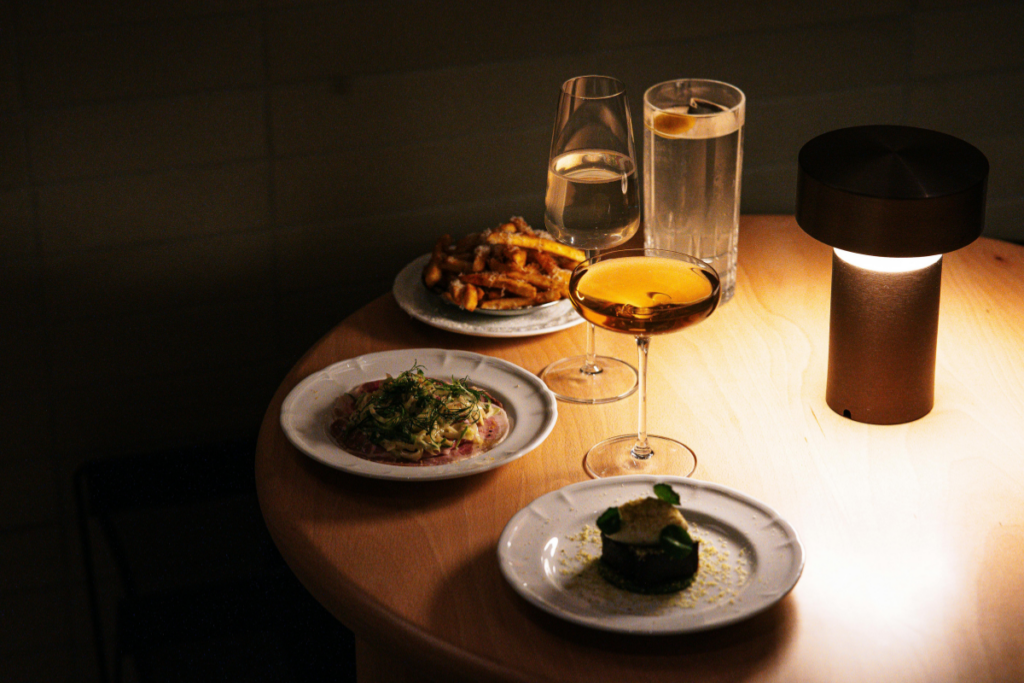
The final step is a complete food and wine experience. Here, wine takes center stage in a lunch, picnic, or more elaborate tasting. This exclusive moment is limited to meal times, with pricing reflecting its premium nature. While not all Italian wineries could replicate this model exactly, some ideas could be adapted with creativity.
A single goal: direct sales
What unites all three levels is a focus on direct sales. Whether it’s a bottle, a wine club membership, or both, visitors are consistently encouraged to make a purchase. Every interaction, informational material, and detail drives home one clear message: “Don’t miss our wine!”
What we can learn
The Yarra Valley teaches us one fundamental lesson: direct sales are not just an economic opportunity but a necessary cultural shift. Italy, with its still partially untapped wine tourism potential, has much to gain by drawing inspiration from these models.
Whether it’s introducing quick and accessible tastings, refining storytelling during more immersive experiences, or creating exclusive food and wine moments, the future of our sector might depend on embracing this approach.
There’s still much to learn, but the path is clear: make wine an experience to live, remember, and take home.
Key Points
- The Yarra Valley model uses three levels of experiences to engage and convert visitors into loyal customers.
- Tastings, starting at low costs, are a simple and effective gateway for engaging novices.
- Storytelling and food pairings enhance the experience and drive direct sales and wine club memberships.
Australia Wine Tour: read all our articles:
- Mornington Peninsula: wine tourism born from the heart and vision
- Mornington Peninsula: wine tourism born from the heart and vision
- Australia wine tour: five key lessons from Canberra Valley and King Valley for the future of Italian wine tourism
- Adelaide Hills and the art of direct sales: lessons from Penfolds
- Australia and wine: a lesson in inclusivity and hospitality
- What kangaroos taught me in Australia