The wine world is under scrutiny. Italy’s Operation “Vinum Mentitum” seized 2.5 million litres of falsely labelled wine, while France confronted labour exploitation during the Champagne harvest. Alongside these crises, the sector is investing in anti-counterfeiting technology and new wineries, signalling that transparency and ethics are becoming central pillars of the industry.
The world of wine, often celebrated as an emblem of conviviality and prestige, is going through a period of deep reflection. Beneath the golden surface of the most renowned labels, a series of investigations and judicial chronicles have brought to light the fragilities of a system that oscillates between productive excellence and the grey areas of irregularity.
Operation “Vinum Mentitum”: the value of traceability
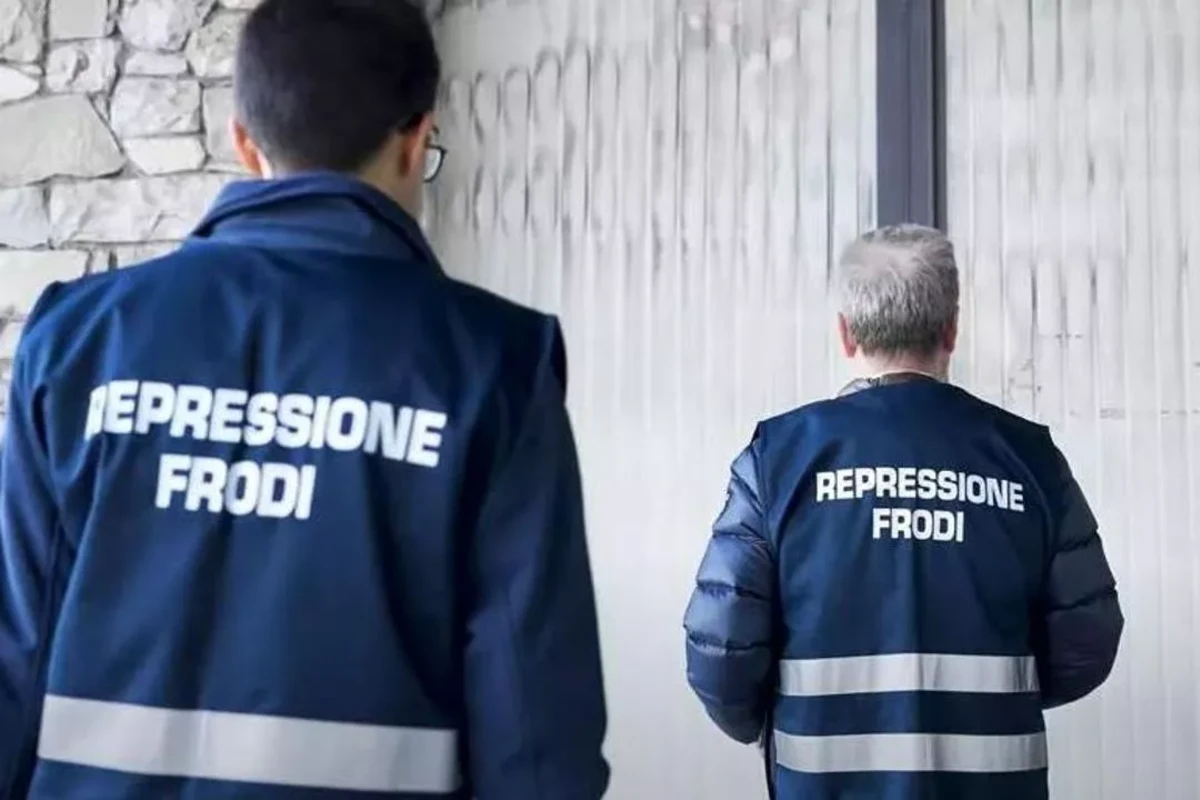
Recent attention has been drawn to Operation “Vinum Mentitum” (Latin for “Wine of Lies”), a major joint action by the ICQRF Inspectorate and the Guardia di Finanza. The toll is heavy: 2.5 million litres of wine seized, marketed under the prestigious DOP and IGP labels without meeting their formal requirements, with a market value exceeding 4 million euros.
It is essential, however, to distinguish the nature of these frauds so as not to unnecessarily alarm consumers. In regions such as Piedmont — where emblematic grape varieties like Moscato d’Asti, Barbera and Dolcetto were involved — investigators stressed that this concerns administrative irregularities rather than a public health hazard. The issue often lies in the discrepancy between physical stocks in the cellar and data in the SIAN telematic register, the digital system that guarantees the traceability of Made in Italy products.
Beyond the bureaucratic aspect, the investigation uncovered a worrying fiscal underground economy: unpaid VAT of around 800,000 euros and violations related to undeclared labour, confirming that the protection of wine necessarily passes through the legality of the entire supply chain.
The dark side of bubbles: the Champagne case
While Italy battles against the “Wine of Lies”, France faces a far more painful wound: that of human dignity. In Reims, the first sentences have been handed down in a case of human trafficking and labour exploitation involving 53 farmworkers employed during the Champagne harvest.
Testimonies describe degrading conditions: undocumented workers housed in unsanitary buildings and deprived of the most basic hygiene standards. While the convictions (up to four years) and compensation payments mark a point in favour of justice, the affair deals a severe blow to the sector’s reputation, forcing protection bodies such as the CIVC to join proceedings as civil parties to defend the image of a territory that cannot accept such abuses.
Technology and investment: the sector’s response
Yet not all of the landscape is painted in dark colours. The sector’s response to counterfeiting and economic crises comes through technology and entrepreneurial courage.
Anti-counterfeiting: The Cru Bourgeois de Bordeaux organisation has launched a new authenticity label featuring a QR code and Valigate technology. This system allows consumers to physically link the bottle to its estate of origin, instantly verifying the product’s authenticity and accessing educational and nutritional content.
Resilience in Argentina: Despite the country’s complex economic situation, the Zuccardi family has inaugurated a new winery, Bodega Santa Julia, dedicated exclusively to natural and high-end wines. A strong signal of how quality and territorial identity remain the pillars on which to invest even in times of uncertainty.
Beyond the fraud cases, the sector is undergoing a phase of profound economic and media restructuring. The definitive acquisition of Freixenet by German giant Henkell redraws the map of the global sparkling wine market, aiming for greater industrial consolidation to face the challenges of international trade.
The wine-growing sector emerges as a complex and vital organism, yet one that requires constant vigilance. If police operations confirm the strength of Italian controls, the ethical and technological developments remind us that the value of a bottle lies not only in the liquid it contains, but in the transparency of its story and in the respect shown to those who produce it.
Key points
- Operation “Vinum Mentitum” seized 2.5 million litres of wine falsely sold under DOP and IGP labels.
- In Piedmont, fraud involved administrative irregularities, posing no direct public health risk.
- 53 farmworkers were exploited during the Champagne harvest in France, leading to criminal convictions.
- Cru Bourgeois de Bordeaux launched QR code technology to fight counterfeiting and verify bottle authenticity.
- Henkell’s acquisition of Freixenet reshapes the global sparkling wine market toward greater consolidation.