The 23rd International Müller Thurgau Wine Competition brought together 64 labels from Italy and abroad, judged through blind tastings by three expert panels. The 2025 vintage stood out for its balance and elegance despite a challenging, early harvest. Gold and other medals will be awarded on July 2 in Cembra, opening the 39th Müller Thurgau: Vino di Montagna event.
Anticipation is high for the results of the 23rd International Müller Thurgau Wine Competition, whose tasting panel was held on June 19. Sixty four wines took part in the competition, 22% of which were foreign. Trentino, naturally, plays the lion’s share, flanked by two extremes of the Peninsula, Alto Adige and Sicily, the latter present with one sample.
On the international front, the labels tasted come from other important territories devoted to growing Müller Thurgau, from Germany, the grape variety’s homeland, and from the Czech Republic, where it is among the most widespread white grape varieties and represents a well established presence in the country’s winemaking tradition.
Regarding vintages, there were 47 samples from 2025, 11 from 2024, three from 2023, one from 2022, one from 2021 and one from 2020. Two sparkling versions were also presented.
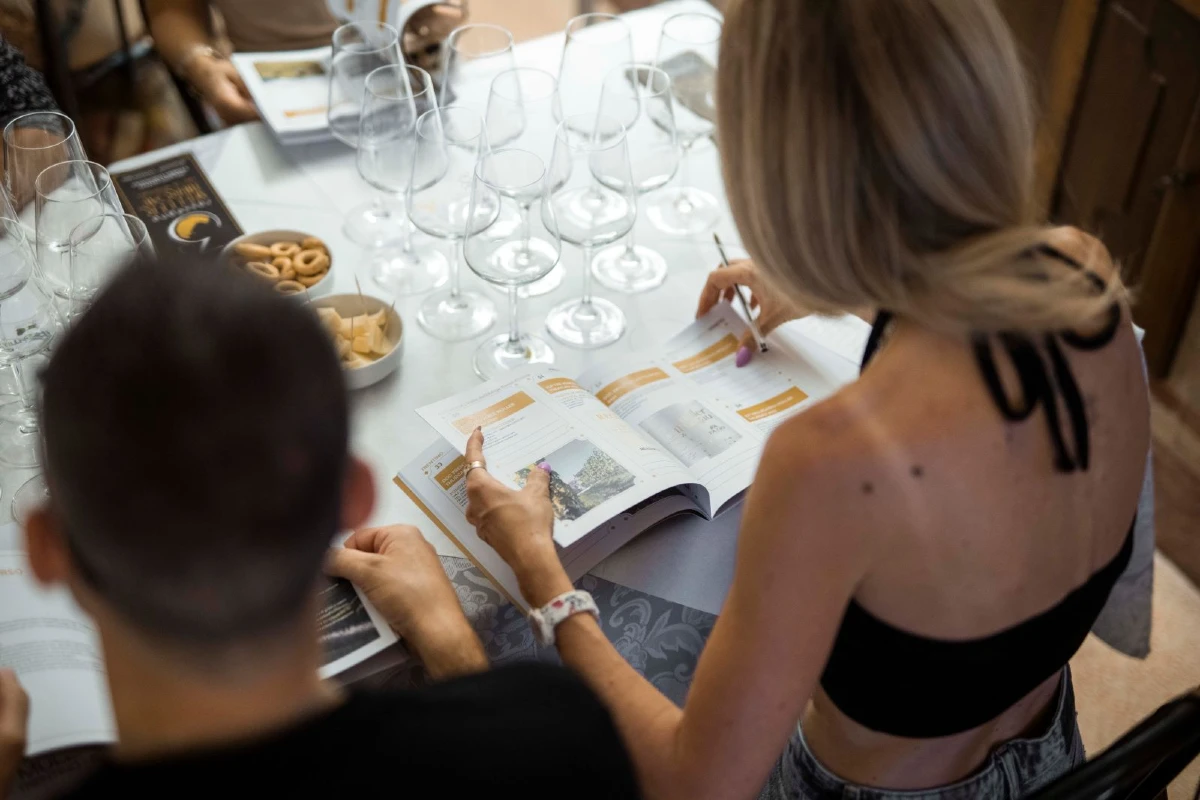
Divided into three tasting panels, each made up of six judges including winemakers, journalists and sommeliers, the judges carried out blind tastings to analyze each label through four steps according to the Union Internationale des Oenologues Method, sight, smell, taste and taste-smell combined. Each wine was tasted by two panels and, once the lowest and highest scores were eliminated, the average was calculated for the final score.
From this the medal assignments were defined, with a limit of 30% of entrants receiving an award and a maximum of 10% Gold Medals, which will be presented on Thursday, July 2, as part of the opening of the 39th edition of Müller Thurgau: Vino di Montagna.
The surprise of the tasting was the 2025 vintage. Despite a harvest that came seven to ten days earlier than usual, a condition generally unfavorable for Müller Thurgau because it involves higher temperatures during the final ripening stages and therefore a potential drop in acidity and aromatic finesse, the wines showed great balance, expressive precision and remarkable elegance, often being preferred over previous vintages.
This result takes on even greater value when considering the climatic complexity of the 2025 season. Achieving wines of this level in such a delicate vintage shows that wineries have reached a high level of precision in managing production, from choosing the optimal harvest moment to winemaking decisions. It is also a very encouraging sign for the future, if, as it seems, the 2026 harvest will be even earlier, the technical level reached by the wineries suggests a growing ability to interpret increasingly extreme seasons as well.
This brings out the distinctive traits of contemporary Müller Thurgau, wines that are fresh, direct and dynamic, with good structure, aromas ranging from vegetal notes to hints of Sauvignon, always in perfect balance, and a complexity built on savoriness, tension and elegance rather than power. Among older vintages, some wines stood out for developing interesting evolutionary nuances, with hints of Riesling and a remarkable ability to maintain freshness, depth and gustatory tension.
The comparison also showed how today’s Müller Thurgau perfectly meets market demands, which are oriented toward fresh, aromatic but never excessive white wines, highly drinkable and with moderate alcohol content, ideal both for restaurants and for aperitifs.
The variety’s strength lies in achieving these characteristics at full grape ripeness, without resorting to early harvests which, in other varieties, can compromise balance and naturalness and require greater intervention in the cellar. It was also noted that today’s Müller Thurgau has very little in common with that of ten years ago. The real challenge is therefore communicating this profound evolution to consumers, today Müller Thurgau is a modern, refined wine, anything but simple, capable of combining immediacy and depth.
Its complexity does not come from power, but from balance, savoriness, tension and gustatory depth. A perfect wine for today’s market. Older vintages, aimed at specific market niches, can play an important role in communicating this new level reached by Müller Thurgau, thus also driving sales of the current vintage.
Key points
- Sixty-four wines competed in the 23rd Müller Thurgau International Competition, judged through blind tastings by three expert panels.
- The 2025 vintage surprised judges with balance and elegance despite an early, challenging harvest.
- Medals will be awarded on July 2 in Cembra, opening the 39th Müller Thurgau: Vino di Montagna event.
- Contemporary Müller Thurgau wines show freshness, elegance and market appeal, moving beyond the style of a decade ago.
- Older vintages can help promote today’s more refined Müller Thurgau to international markets.