An IWSR study shows that 74% of legal-age Gen Z consumers drink alcohol, almost matching the 76% of all adults, while Baby Boomers drink least at 71%. Gen Z drinks more selectively, with fewer categories per occasion and 84% having tried cocktails. The open question is how much of this consumption still belongs to wine.
We have already addressed the topic of a teetotal Generation Z several times, trying to verify whether the narrative often found in the media reflected the actual reality. In a recent article, we asked Cristina Liverani and Chiara Ferrari of Ipsos whether the blame placed on Gen Z for having “killed” wine consumption was a cyclical stigmatization or a real paradigm shift.
The answer is that there is certainly a cyclical component that leads new generations to be labeled “guilty of” something by those who came before. However, it was found that consumption among young people remains higher than among Millennials at the same age. In other words: in reality, Gen Z drinks, even though it shows consumption trends different from the generations that preceded it.
In this regard, an article by The Drinks Business, IWSR: Gen Z moderation ‘myth’ debunked, explains that, according to IWSR research, 74% of Gen Z consumers of legal drinking age, in a survey conducted across 15 key markets, say they consume alcohol, a figure almost identical to the 76% recorded for the total adult population. Three years ago, the same percentage stood at 66%. Marten Lodewijks, president and managing director of IWSR, speaks bluntly: the narrative of Gen Z as the “generation of moderation” would now be “conclusively debunked”.
And if it is not the young who drink less, who is left drinking the least?
Baby Boomers, with a consumption participation rate of 71%, down two percentage points over the last three years, the lowest rate of any generation. They are also the group with the fewest drinking occasions and the lowest average number of drinks per occasion, just 2.6. Millennials continue to top the ranking of drinkers, at 81%, followed by Gen X at 77%.
“The Boomer decline had been going on for years,” Lodewijks stated, “but the data show sharper drops than expected across all the main metrics. If the trend continues, it could be the Boomers, not Gen Z, who deserve the title of ‘generation of moderation’.”
The point, however, extends beyond the fact that Gen Z drinks as much as the others: it also drinks differently. An IWSR Bevtrac datapoint, Generation game: are younger LDA consumers becoming more selective in their drinking habits?, relating to September 2025 across 15 markets, confirms the resilience of Gen Z participation, stable compared with the previous year and higher than in September 2023, but at the same time points to a narrowing of consumption repertoires: the average number of beverage categories consumed per occasion fell from 2.8 to 1.8 over two years. In other words, once again: fewer mixes, less experimentation in the same evening, more selectivity about what to drink and when.
The front of temporary abstinence, ground on which Gen Z had been crowned pioneer of the “sober curious”, also shows signs of cooling. Across the 15 markets monitored, 53% of Gen Z consumers say they have abstained from alcohol for a period, a share still higher than the average across all ages (39%), but significantly down on the previous year. And the pauses, when they occur, are getting shorter: 28% of Gen Z drinkers reported abstinence of a month or more, against 30% a year earlier.
What remains, then, of the “sober generation”? Probably less than the current narrative would suggest. What remains instead are consumers who are more selective, more value-oriented, more attentive (according to Bevtrac, 49% of Gen Z follow government consumption guidelines, the highest share among all generations) and more inclined to drink in company: 18% said their last drinking occasion involved five or more people.
One question remains, however, that none of the data cited so far truly resolves. The 74% of Gen Z who say they consume alcohol, that figure almost identical to the rest of the adult population, says everything about the quantity of consumption, yet remains silent on the choice of category.
If the narrative to be dismantled was “Gen Z does not drink alcohol”, the IWSR numbers dismantle it without appeal. But if the narrative, more precisely, was “Gen Z does not drink wine”, the one we had already called into question when speaking with Ipsos, where it emerged that what suffers is wine specifically rather than alcohol consumption as a whole, then the discussion changes, and considerably.
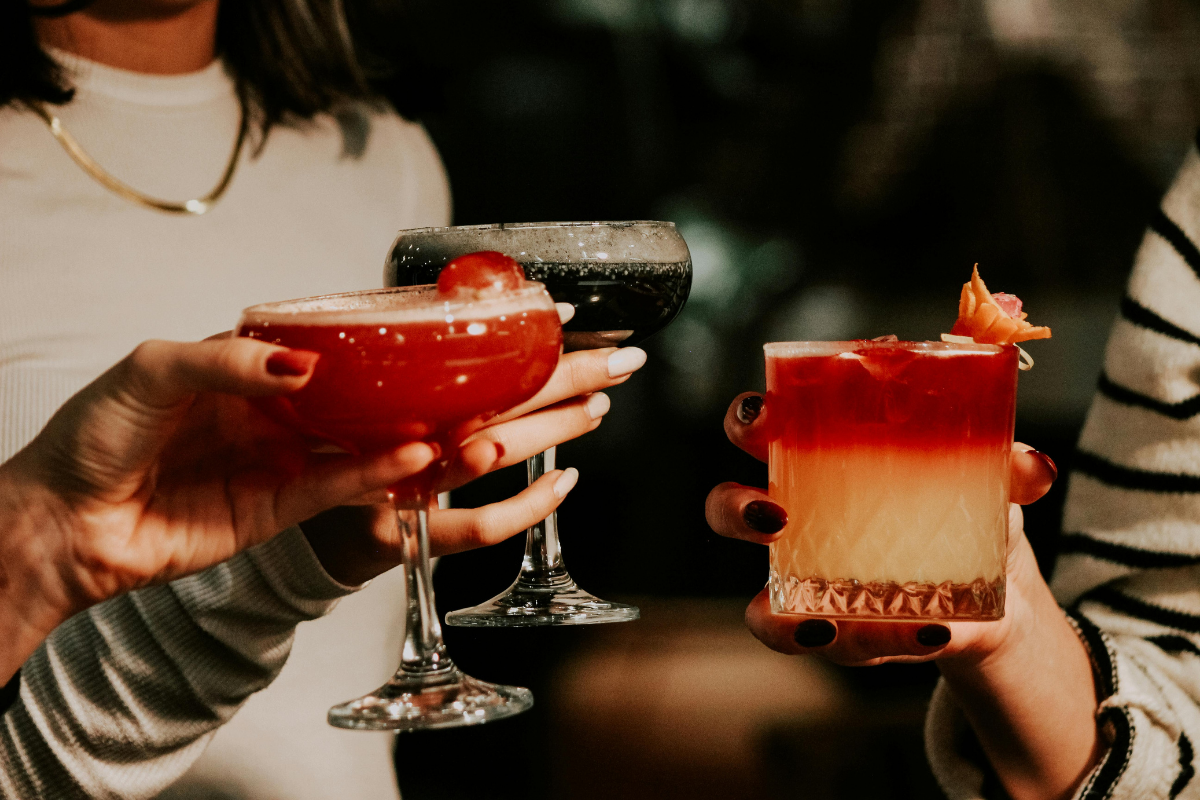
Because the same Bevtrac study that certifies the resilience of Gen Z also shows that, among all age groups, the youngest show the greatest propensity for cocktails: 84% have consumed at least one in the last six months, the highest share of any generation. No equivalent figure emerges for wine.
That 74% of Gen Z who drink, in short, could very well be the same 74% who choose wine less and less often, in favor of something else. The right question, perhaps, has moved on from “how much does Gen Z drink”, because the data have already answered that. It is: how much of that consumption, today, still belongs to wine, and how much has already gone elsewhere?
Key points
- Gen Z drinks almost as much as adults: 74% against 76%, up from 66% three years ago.
- Baby Boomers drink least, with 71% participation, down two percentage points in three years.
- Gen Z drinks more selectively: average categories per occasion fell from 2.8 to 1.8 in two years.
- Cocktails lead among Gen Z: 84% had at least one in six months, the highest of any generation.
- Wine remains the open question: the data leave its share of Gen Z consumption unclear.